Trying to decide between building new or remodeling in Paradise Valley? It is a common question here because the decision is rarely just about the house. In a town defined by large lots, limited undeveloped land, and high home values, your lot, layout, timeline, and resale goals all matter. This guide will help you compare both paths so you can move forward with more clarity. Let’s dive in.
Why the choice looks different in Paradise Valley
Paradise Valley is not a place with endless new subdivisions or large pockets of open land. The town is predominantly single-family residential, and the 2022 General Plan notes that it is approaching build-out. Only 5.2% of the planning area was undeveloped, and older homes are often being replaced or remodeled to fit current owners’ needs.
That matters because in Paradise Valley, the lot often carries as much value as the house itself. The town’s zoning and submittal standards focus closely on lot size, setbacks, floor area ratio, accessory structure square footage, screening, and open space. If you are buying, selling, or planning a project here, you need to think lot-first.
Paradise Valley is a lot-first market
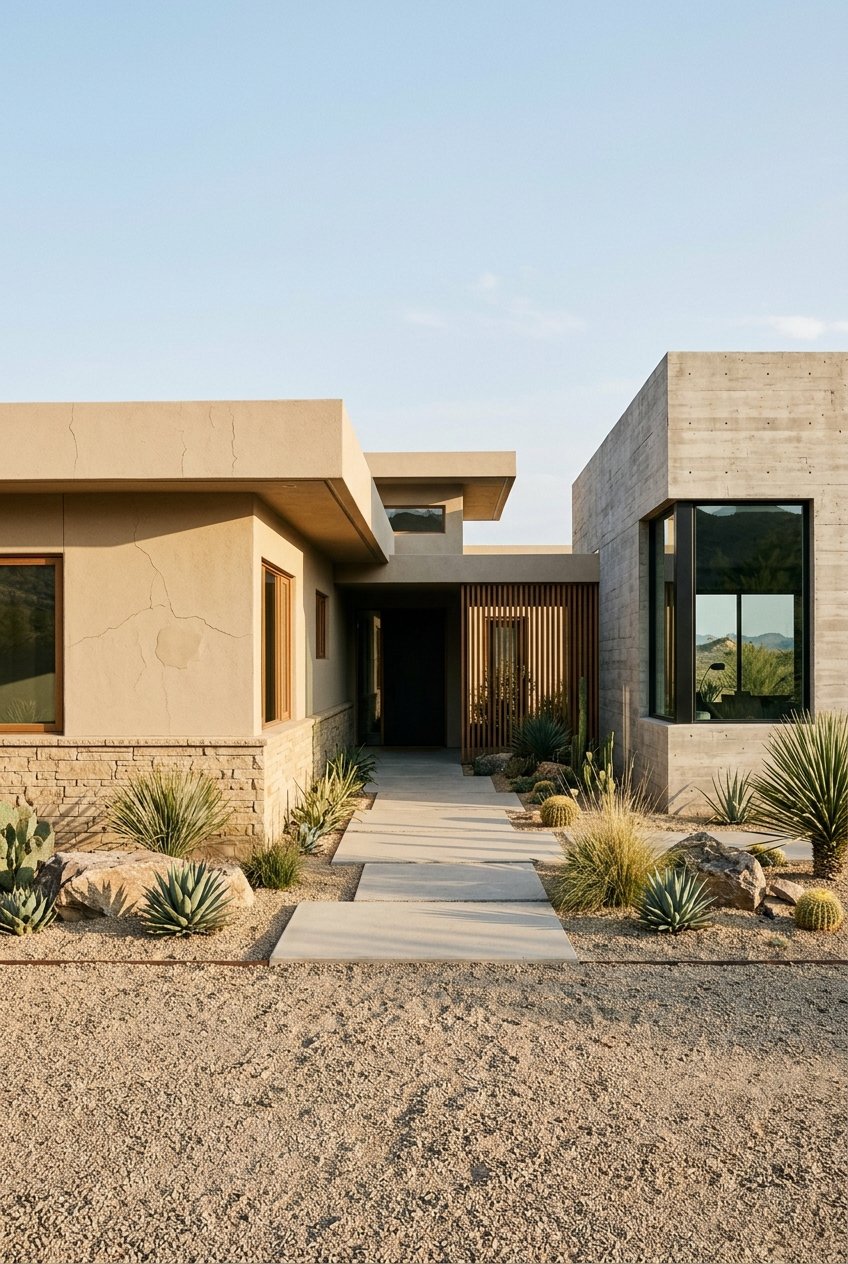
Many properties in Paradise Valley sit on estate-style parcels. The R-43 district requires a minimum lot size of 43,560 square feet, while the R-35 district requires at least 35,000 square feet. Both are designed to preserve low-density residential character and open space.
Because the parcels are large and the town is largely built out, you are often choosing between two very different strategies. You can take an existing home on a strong lot and improve it, or you can start fresh with a teardown or vacant parcel and build around the site from the ground up.
When new construction makes sense
New construction in Paradise Valley usually means one of two things: building on a vacant lot or tearing down an existing home and rebuilding. A building permit is required for single-family residences and related structures like guesthouses, ramadas, and sport courts. If the project removes more than 12 linear feet of wall, fence, roof, or slab, a demolition permit is required before the building permit.
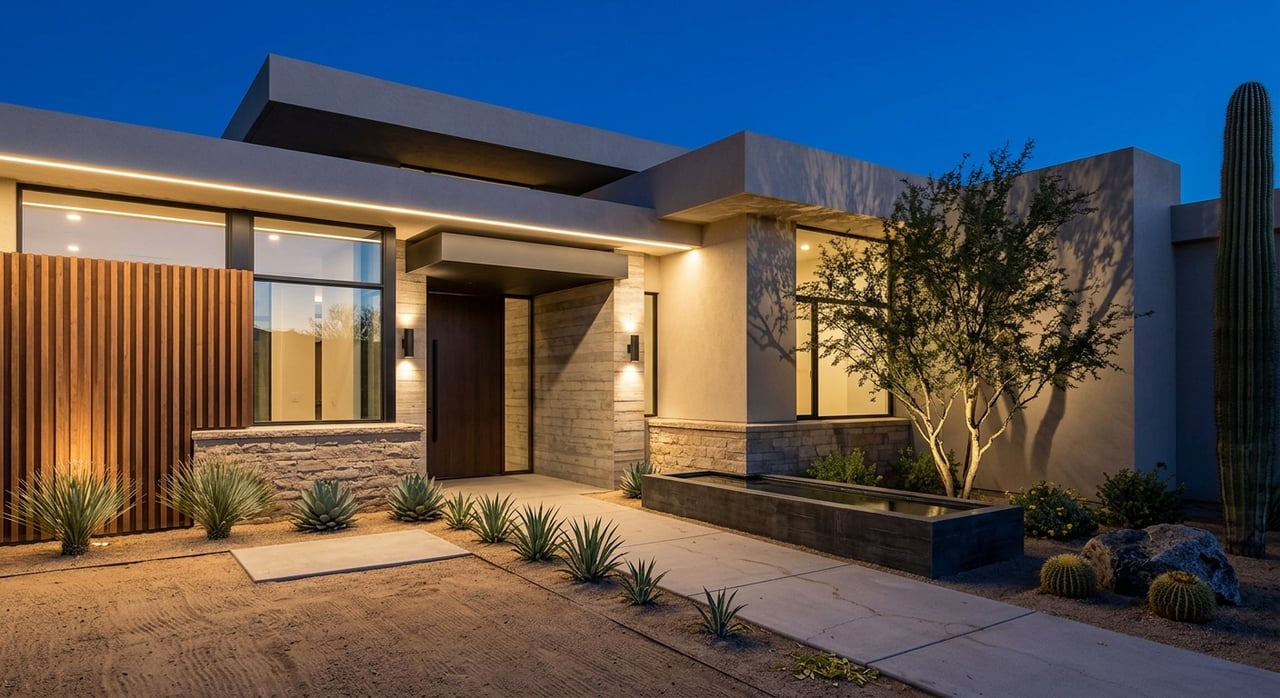
The biggest advantage of new construction is control. You have more freedom to shape the home around the lot, views, and your day-to-day lifestyle. In a town where regulations carefully govern setbacks, FAR, height, accessory structures, and screening, starting over can be the cleanest way to match a valuable parcel with a more current home design.
Benefits of building new
- You can design around the lot instead of adapting to an older floor plan.
- You may be able to better align the home with current preferences and use patterns.
- You start with a fully updated structure rather than layering changes onto an older system.
- A teardown can unlock value when the existing house no longer fits the quality or function buyers expect on that parcel.
Tradeoffs of new construction
New construction usually requires more time, more approvals, and more patience. As of April 21, 2026, the town said initial plan review on new structures had been extended to 30 days, subject to workload. For hillside projects, you may also face added requirements such as construction staging plans, financial assurance or performance bonds, and temporary construction easement agreements.
There are also carrying costs while the project is underway. Those can include principal, interest, property taxes, homeowners insurance, repairs, and HOA dues when applicable. In a market where values are high, those costs can add up quickly if the timeline stretches.
When a remodel makes sense
A remodel often makes the most sense when the lot is the prize and the existing home can still be improved efficiently. In Paradise Valley, that is a common scenario. The town’s General Plan specifically notes that older homes are being remodeled or replaced to meet current owners’ needs.
If you already like the location, orientation, views, driveway approach, or overall footprint, remodeling may let you preserve what is working while upgrading what is not. That can be a smart option when starting over would add too much time, cost, or disruption.
Benefits of remodeling
- You keep the lot and much of the existing site intact.
- You may reach your goals faster than with a full teardown and rebuild.
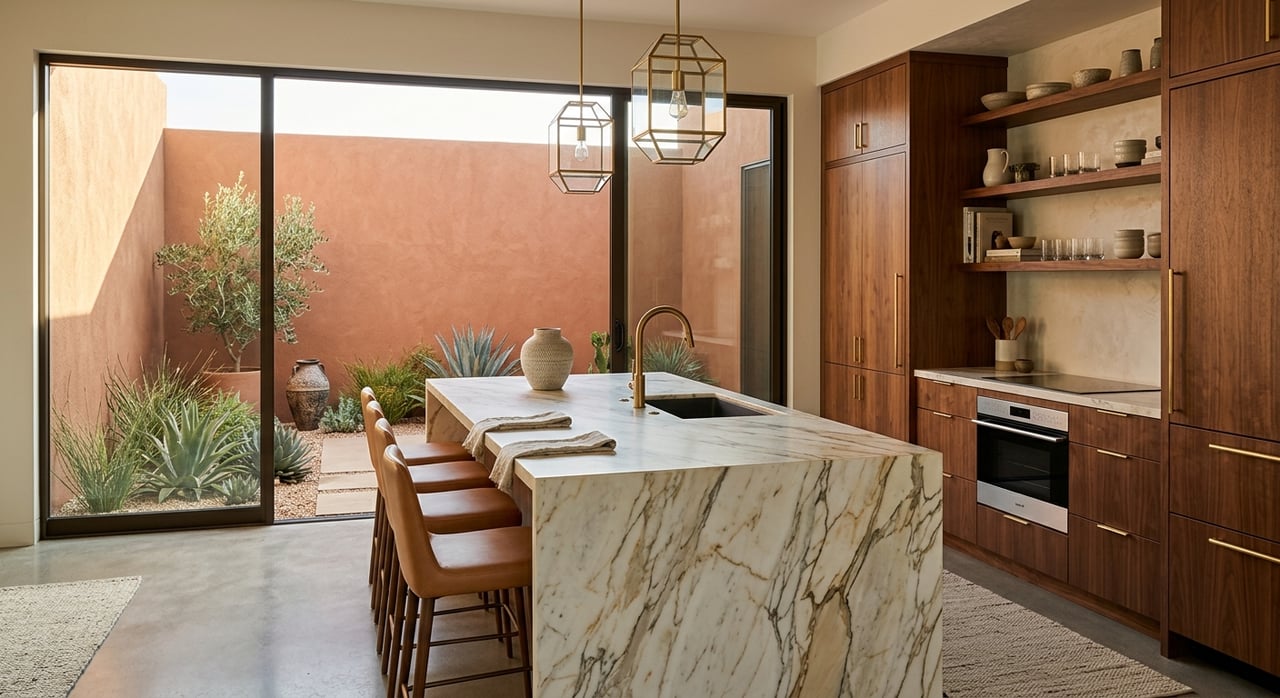
- You can focus your budget on the rooms and systems that matter most.
- You may reduce the scope of change if the house already has a solid layout or structure.
Common remodel priorities
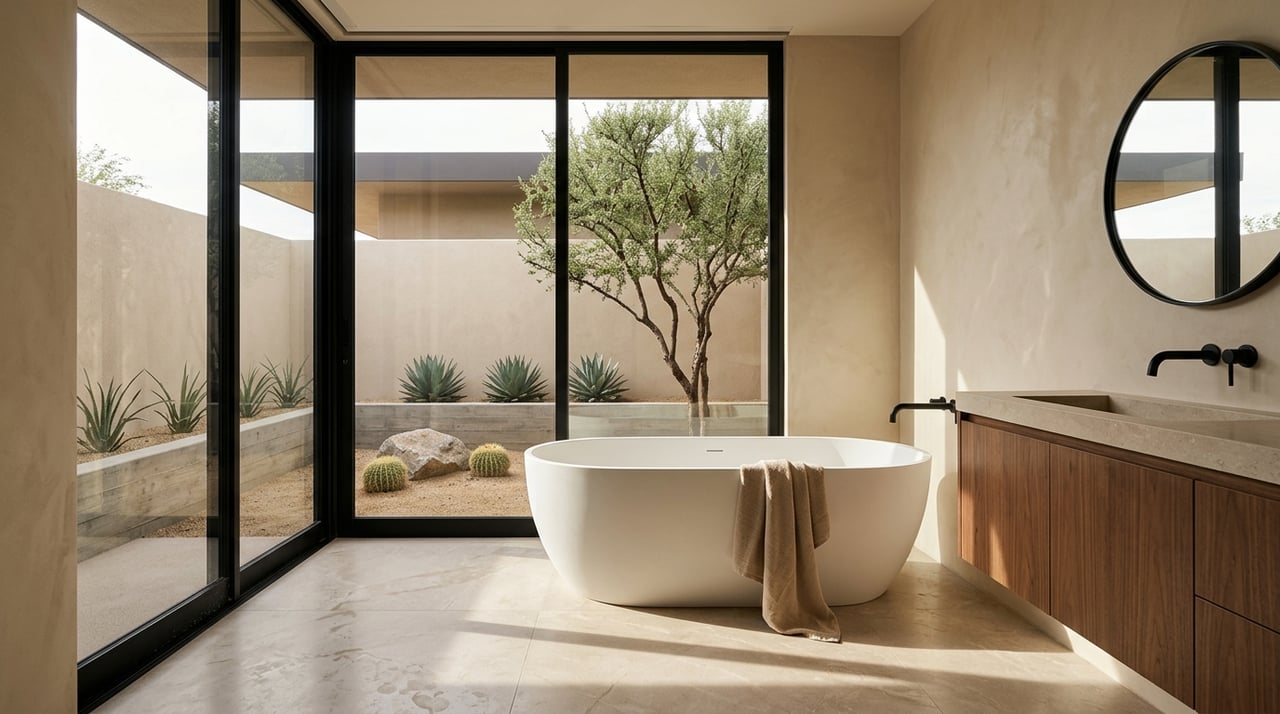
According to NAR’s 2025 remodeling report, the projects with the strongest demand were kitchen upgrades, new roofing, and bathroom renovations. The highest Joy Scores went to primary bedroom suite additions and kitchen upgrades. Before listing, Realtors most often recommended painting and new roofing.
That lines up with what selective buyers tend to notice. NAR’s 2025 Remodeling Impact materials found that 46% of home buyers are less willing to compromise on the condition of the home they purchase. In a market like Paradise Valley, where presentation and finish quality matter, a well-planned remodel can improve both day-to-day enjoyment and resale appeal.
Financing and project budget considerations
Many remodels are funded with existing equity rather than a ground-up construction budget. NAR reported that consumers primarily relied on home equity loans or lines of credit for remodeling projects, followed by savings and then credit cards. That makes remodeling attractive for owners who want to improve a property without completely resetting the project.
New construction can offer more design freedom, but it also tends to come with a wider budget range and more unknowns over time. Even before construction starts, permit review, demolition requirements, and town submittal standards can affect schedule and cost. If you are comparing options, it helps to weigh not just build cost but also the cost of waiting.
Timeline matters more than most buyers expect
In Paradise Valley, timing is not a side issue. It is part of the decision itself. Whether you are building new or taking on a major remodel, town requirements can introduce delays that are hard to ignore.
For flatland projects, site plans must show items like net lot size, FAR, setbacks, accessory structure square footage, screening, and open-space compliance. For some properties, details like mechanical screening and fence openness also matter, with view fences required to be at least 70% open. These are not small details when you are trying to plan a project on a premium parcel.
Quick comparison: new construction vs. remodel
| Factor | New Construction | Remodel |
|---|---|---|
| Design freedom | Highest | More limited by existing structure |
| Approval complexity | Often higher | Can still be significant, depending on scope |
| Timeline | Usually longer | Often shorter than a full rebuild |
| Best fit | Underused lot or obsolete house | Strong lot with a workable home |
| Budget certainty | Can shift over time | Often easier to phase or target |
| Resale positioning | Strong if well executed | Strong when condition and finishes are updated |
What today’s Paradise Valley market suggests
As of March 2026, the market looked balanced to somewhat competitive depending on the source. Redfin reported a median sale price of $4.8 million and an average of 87 days on market. Realtor.com reported 372 active listings, a $4.99 million median list price, a 95% sale-to-list ratio, and 75 median days on market.
The practical takeaway is simple: buyers appear selective. This is not a market where you can assume a brand-new home will sell itself or that a dated home will get a pass because of the address alone. Whether you choose new construction or a remodel, pricing, condition, and presentation matter.
How sellers should think about the decision
If you already own in Paradise Valley and are deciding whether to remodel before selling or market the property as a teardown opportunity, start with the lot. Ask whether the structure supports the value of the parcel or holds it back. In many cases, the answer shapes the entire strategy.
If the home can be brought up to current buyer standards without rebuilding from zero, a targeted remodel may be the better move. Staging can also help support that effort. In NAR’s staging report, 29% of agents saw a 1% to 10% increase in dollar value offered, and 49% of sellers’ agents saw faster sales when homes were staged.
For sellers who want to improve presentation before listing, that is where a high-touch plan matters. Thoughtful updates, staging, and polished marketing can help buyers see the value more clearly, especially in a market where homes are not moving instantly.
How buyers should think about the decision
If you are buying in Paradise Valley, focus first on what cannot be changed easily. That usually means the lot, the siting, the street, and the overall setting. Once those boxes are checked, look at whether the home is worth improving or whether the parcel is better suited for a fresh start.
A remodel usually works best when the site already does most of the heavy lifting and the house can be upgraded efficiently. New construction tends to work best when the lot is underused, the existing house is functionally outdated, or you want the broadest possible design freedom and can tolerate a longer approval and build timeline.
The bottom line in Paradise Valley
In Paradise Valley, there is no one-size-fits-all answer. The town’s low-density character, limited undeveloped land, and estate-style lots mean your decision should start with the parcel, then move to the structure. If the house still has a workable foundation for modern living, a remodel may unlock value with less time and disruption. If the home no longer fits the lot or your goals, new construction can offer a cleaner long-term solution.
The right move usually comes from matching the property’s physical reality with your timeline, budget, and resale plans. If you want guidance on how a specific Paradise Valley property may be positioned, Phoenix Living: Joelle Addante + David Thayer can help you evaluate the opportunity with a local, property-specific lens.
FAQs
Should you choose new construction or a remodel in Paradise Valley?
- In Paradise Valley, the best choice usually depends on the lot, the condition of the existing home, your timeline, and how much design flexibility you want.
What permits are required for new construction in Paradise Valley?
- Paradise Valley requires a building permit for single-family residences and related fixed structures, and a demolition permit is required before a building permit when more than 12 linear feet of wall, fence, roof, or slab is removed.
Why do lot size and zoning matter in Paradise Valley real estate?
- Paradise Valley has large-lot zoning standards such as R-43 and R-35, and project plans must address items like setbacks, FAR, accessory structures, screening, and open-space compliance.
Is Paradise Valley mostly built out already?
- Yes. The town’s 2022 General Plan said only 5.2% of the planning area was undeveloped and noted that Paradise Valley is approaching build-out.
What remodel projects matter most for Paradise Valley resale appeal?
- Kitchen upgrades, bathroom renovations, roofing, painting, and strong overall condition can matter because buyers are often less willing to compromise on condition.
How does the Paradise Valley housing market affect new builds and remodels?
- With March 2026 pricing around $4.8 million to $4.99 million, roughly 75 to 87 days on market, and a sale-to-list ratio near 95%, both new and remodeled homes benefit from strong presentation and accurate pricing.