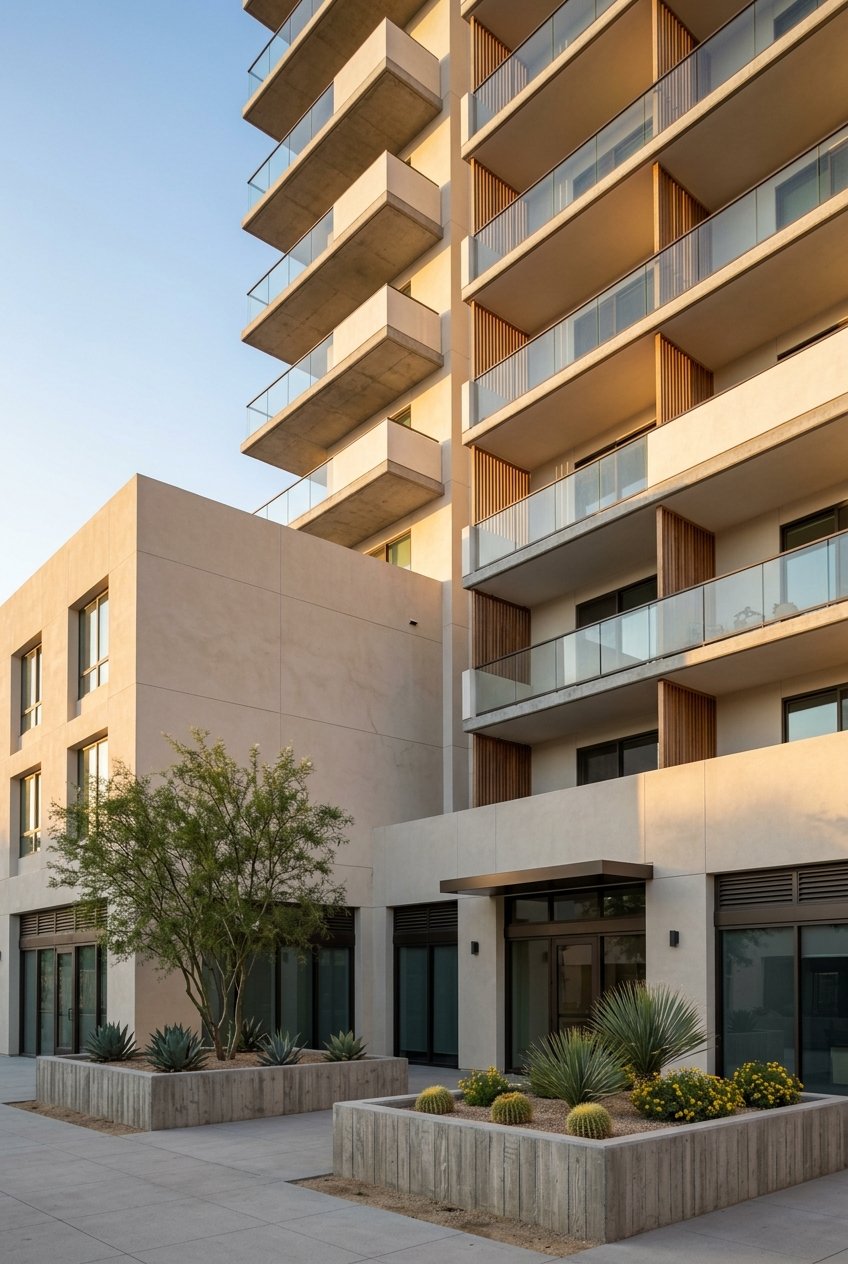
You step onto a shaded sidewalk, coffee in hand, while Camelback Mountain rises just beyond a canopy of citrus and ash. A few blocks away, patios buzz near 40th Street. Then, turn onto a quiet interior lane and the scene shifts to deep lawns, single-story ranch homes and the sound of sprinklers. If you want to get a real feel for Arcadia, you need to know how the streets change from block to block. In this guide, you’ll learn the core home styles, the pockets that define daily life, and what to look for when you tour. Let’s dive in.
What makes Arcadia feel different
Arcadia’s green, tree-lined character started with its early citrus-grove layout. In the 1910s and 1920s, the area was platted as irrigated orchards with five- to ten-acre lots that were later subdivided for homes. That origin explains today’s unusually deep parcels, surviving citrus, and mature shade cover compared with much of Phoenix. You can see this history in the City of Phoenix historic survey of Arcadia’s development and building patterns. The city’s Arcadia historic building survey outlines these roots.
Irrigation is a key reason Arcadia feels cooler and greener. Some properties still use community irrigation infrastructure associated with the Arcadia Water Company, formed in 1919. If a lush yard matters to you, ask about irrigation rights and schedules. The Arcadia Water Company has helpful background on the systems that support many lawns and trees.
Arcadia is also framed by strong physical anchors. Camelback Mountain shapes views to the north, while the Arizona Canal forms the southern edge. The restored Arizona Falls along the canal is both public art and a neighborhood gathering point. It is a daily amenity for walking and cycling along the paved path. See the Arizona Falls project and canal trail context at WaterWorks at Arizona Falls.
Map your search: boundaries and names
When locals say “Arcadia,” they usually mean the area from about 44th Street to 68th Street, and from Camelback Road south to the Arizona Canal. Exact lines vary a bit by source. The City of Phoenix planning documents and the Arcadia historic survey are your best guides for the traditional core. Review the city survey when you want the official lens.
You will also hear “Arcadia-Lite.” That term is a marketing nickname used for nearby blocks west of roughly 44th Street that share some of the lifestyle and mid-century fabric. It is not a formal city designation. For a quick overview of how names get used in practice, the Arcadia (Phoenix) entry on Wikipedia summarizes common references and boundary nuances.
Home styles you will see
Classic ranch and mid-century
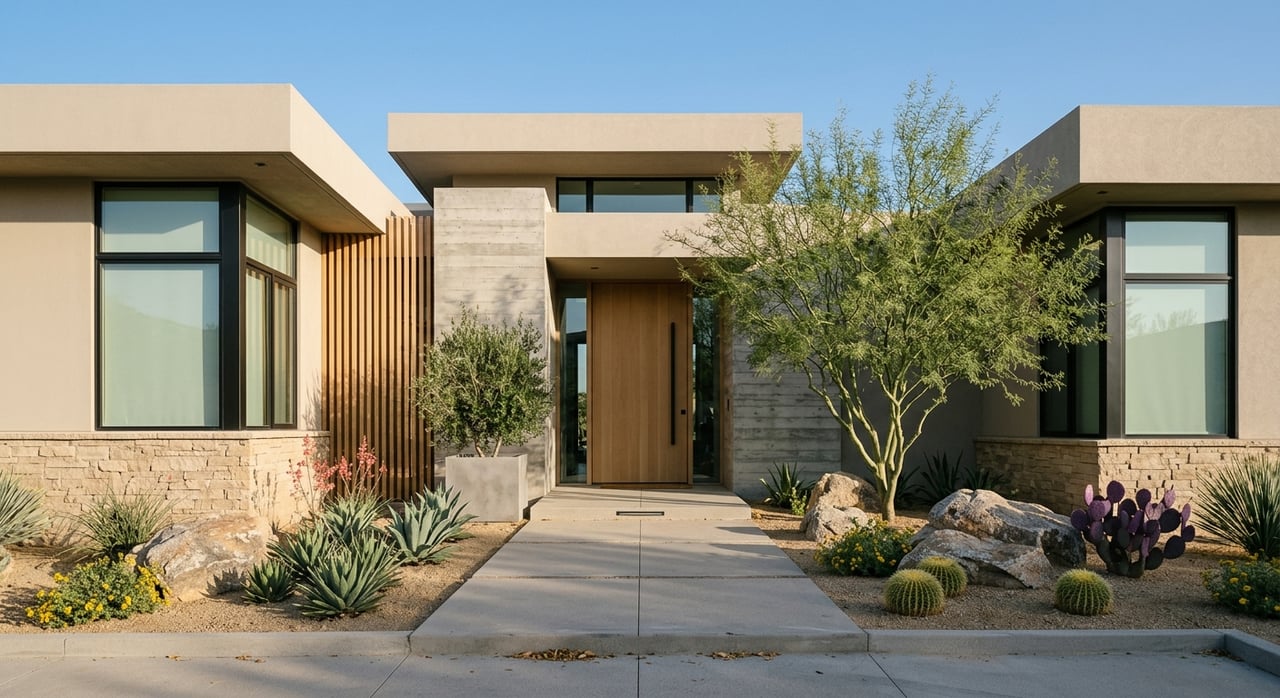
Much of Arcadia’s housing stock is single-story, low-slung ranch homes built from the 1940s through the 1960s. These sit on generous lots, often with north-south orientation, pools, and citrus plantings. Many serve as the “bones” for thoughtful remodels or complete rebuilds later on. The city’s historic survey documents this dominant ranch era across Arcadia. Explore the era context in the Arcadia historic building survey.
Early revival and adobe examples
You can still find pockets of Pueblo, Spanish Colonial, Monterey and other revival styles from the late 1920s to 1930s. These add architectural texture on select streets. The city’s inventory includes examples of these early homes and provides useful street-level references. See the revival styles noted in the city’s survey.
Expanded remodels and indoor–outdoor living
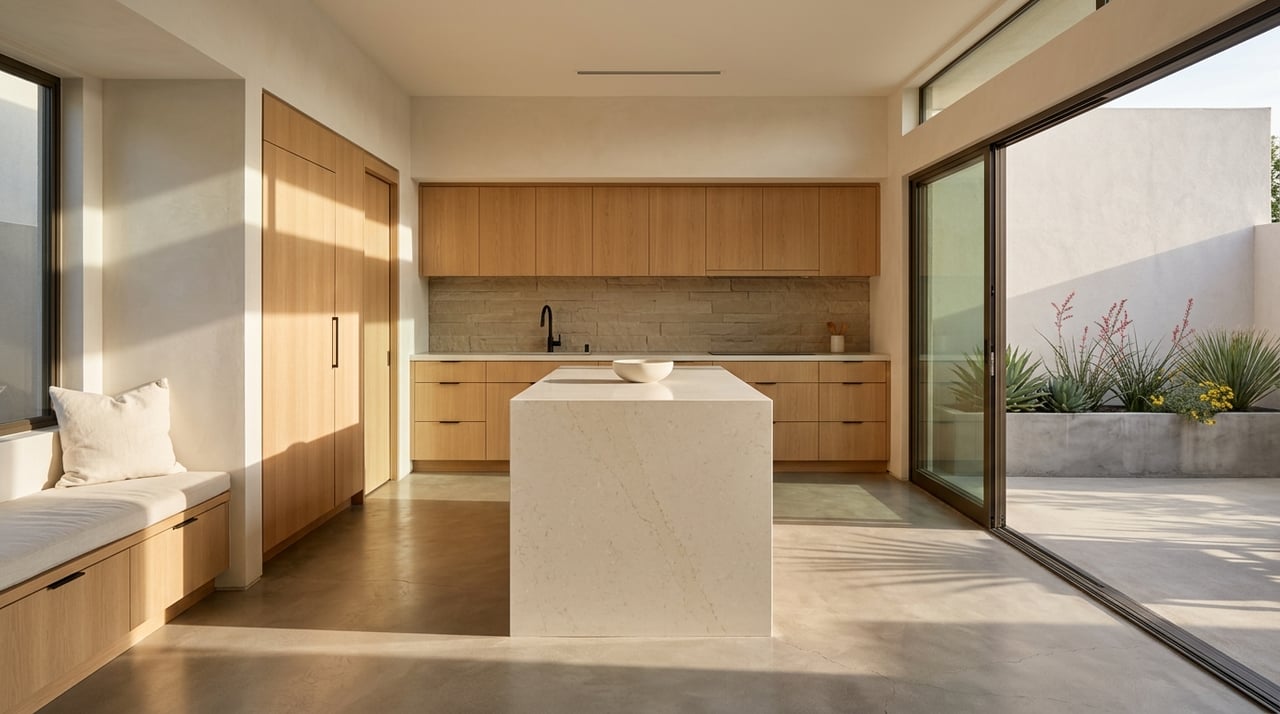
Buyers often encounter ranch homes that were opened up for modern living. Common upgrades include larger glass walls, updated kitchens, refreshed mechanicals, and expanded covered patios. Outdoor kitchens and reworked pools are typical. For lifestyle context on how older homes have evolved across the Phoenix area, see this design overview from Arizona Foothills Magazine: Then and Now in three Valley communities.
Teardowns and custom estates
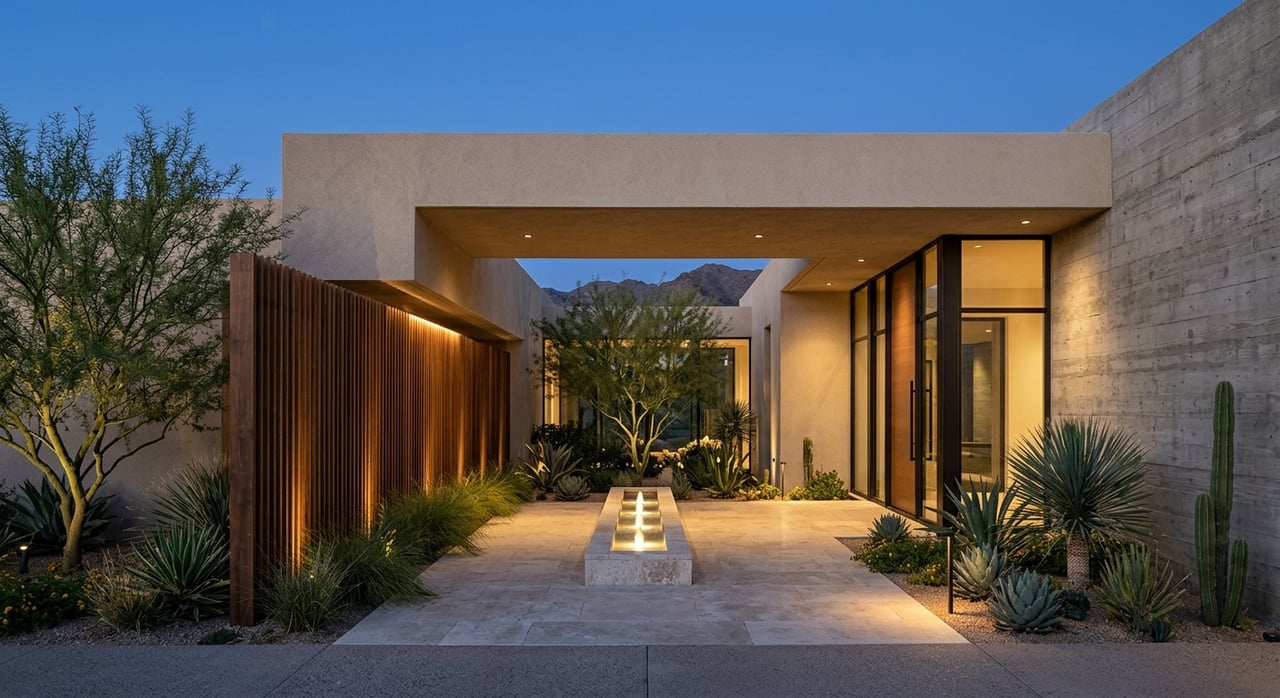
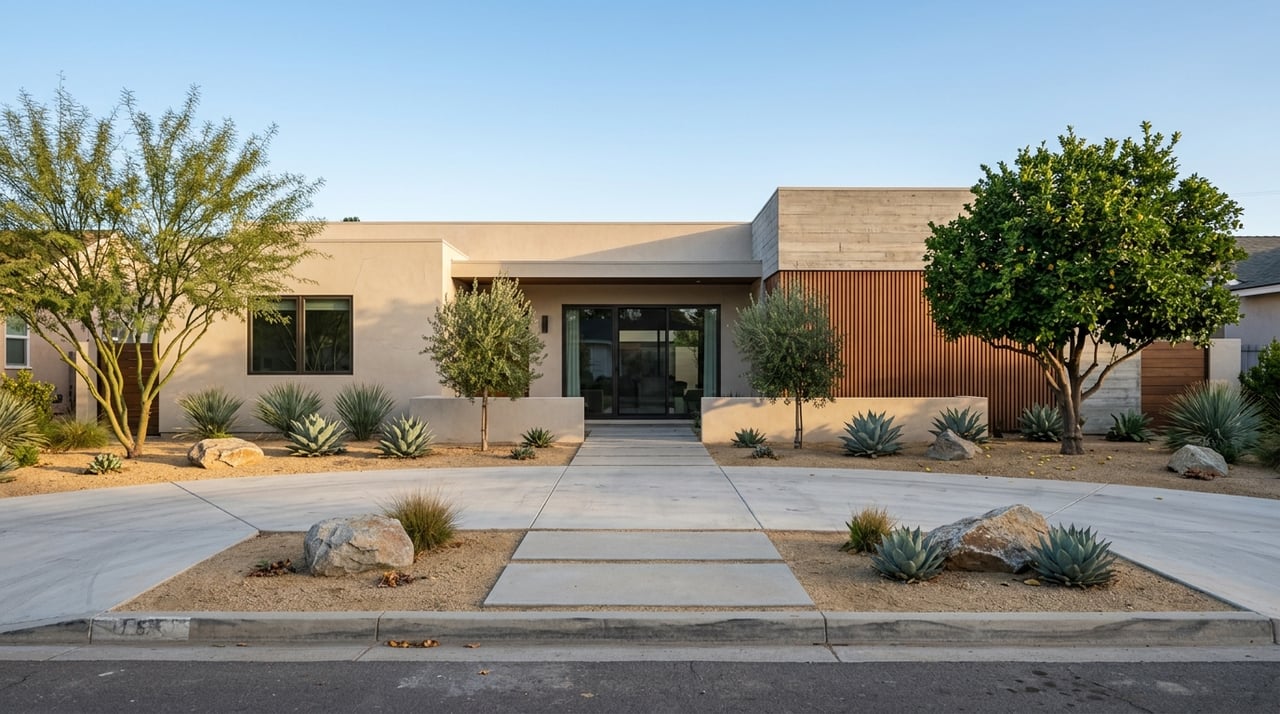
On many interior streets, lot value often surpasses the value of the existing structure. That drives a steady teardown-to-custom build pipeline. New construction can range from roughly 3,000 to over 8,000 square feet, often with resort-style backyards and contemporary or transitional facades. Local contractors document the ongoing demand for demolitions and rebuilds within Arcadia Proper. See a snapshot of this trend at DirtFX’s Arcadia demolition overview.
Street-by-street character: how it feels on the ground
Arcadia’s charm is in its contrasts. Use the pockets below to focus your tour.
40th–44th, Camelback and Indian School: the amenity node
- What you will find: the highest concentration of cafes, patios, and small retail. This is the most social, walkable cluster of blocks in the area.
- Day-to-day feel: morning coffee energy, patio dining and more street activity. Expect heavier traffic and limited street parking during peak times.
Arcadia Proper interior: quiet, green, and classic
- Where: roughly 44th to about 56th Street, Camelback down to the canal.
- What you will find: large, irrigated yards, mature citrus and shade trees, and a mix of preserved ranches and multi-million-dollar custom rebuilds. Streets like Exeter, Lafayette, and smaller interior avenues show both historic adobes and significant estates. For a planning lens across these blocks, review the city’s historic survey.
- Day-to-day feel: quiet, residential, and neighborly. You may also see construction staging and trades trucks where teardowns or major remodels are underway.
Exeter and Lafayette: prestige estate corridors
- What you will find: some of Arcadia’s most noted addresses. Parcels can be very large, with mountain views and purpose-built custom estates. These streets illustrate how traditional ranch lots have aggregated into larger single-owner properties over time.
- Day-to-day feel: estate scale, broad lawns, and a slower, residential rhythm.
East Arcadia to the Scottsdale border
- Where: approximately 56th to 68th Street and near Invergordon/64th.
- What you will find: a gradual transition toward Scottsdale-address properties with a mix of older tract homes, updated ranches and pockets of newer custom work. Boundaries blur east of Invergordon, and some blocks have Scottsdale services. The Arcadia (Phoenix) Wikipedia entry notes this eastward transition.
- Day-to-day feel: residential with variations in street width and municipal context.
Arcadia-Lite: the “Arcadia-adjacent” vibe
- Where: generally west of about 44th Street.
- What you will find: smaller lots, more attached or infill options, and quick access to the cafe and restaurant corridor. It is popular if you want the Arcadia feel with a more compact footprint. Remember, it is an informal label, not a city designation. The Wikipedia overview touches on how local terms are used.
- Day-to-day feel: lively, walkable and convenient to dining.
The canal edge and Arizona Falls
- What you will find: a paved path along the Arizona Canal for walking and cycling. Arizona Falls is a restored hydropower and public art site that functions as a local landmark and access point. Learn more at WaterWorks at Arizona Falls.
- Day-to-day feel: active, family-friendly routines with strollers, runners and bikes.
Camelback Road and the Arcadia Camelback SPD overlay
- What you will find: high-visibility parcels and the influence of an overlay that guides height, setbacks and walls along parts of Camelback. If you are evaluating a Camelback-facing property, note that the overlay and neighborhood input can shape design and variance decisions. Review the Arcadia Camelback Special Planning District for policy details.
- Day-to-day feel: more traffic exposure and a mix of residential and resort-adjacent influences.
How to tour Arcadia like a local
Use this simple plan to understand the area fast:
- Start at the cafe corridor around 40th–44th near Camelback or Indian School. Walk a block or two to feel the social energy and patio life.
- Drive or bike into the interior streets between 48th and 56th, then loop Exeter and Lafayette. Notice lot depth, mature trees and remodel patterns.
- Head south to the canal. Park near Arizona Falls and walk the path. Picture your morning routine or school-day bike rides here.
- Drive east toward 60th–68th and note the subtle shift as you approach Scottsdale services and addresses.
- Finish with a slow drive along Camelback to see how the SPD overlay context and higher-visibility parcels differ from the interior blocks. You can read the SPD document to understand why some designs look the way they do.
Practical takeaways for buyers
- If you want quiet streets, big lawns and mountain views, focus on interior Arcadia Proper. Expect premium pricing and some construction activity on blocks being rebuilt. The city survey is a reliable backdrop for what you will see.
- If you want walkable patios and coffee, look near 40th–44th. You will get more foot traffic and smaller lots compared with the deep interior blocks.
- If you want an “Arcadia vibe” at a lower entry point, consider Arcadia-Lite or nearby pockets. Verify which blocks are inside the traditional Arcadia plat, since the term is informal. The Wikipedia overview is a quick context check.
- Expect active building on desirable lots. Teardown-to-custom is a visible pattern across Arcadia Proper. For trend color, see DirtFX’s Arcadia demolition page. For specific addresses, review City of Phoenix permit records and any neighborhood notices.
- Ask about irrigation. Irrigation rights and schedules can shape how yards look and feel. The Arcadia Water Company explains the infrastructure behind those green lawns.
Considerations before you write an offer
- Overlay and setbacks: If you are on or near Camelback, confirm whether the Arcadia Camelback Special Planning District affects your plans. Height, setbacks and walls can be guided by overlay rules. Read the SPD document.
- Lot size and orientation: Deep parcels support larger outdoor living programs. Many lots run north-south, which helps with sun control for patios and pools.
- Remodel scope: Ranch floor plans often adapt well to modern indoor–outdoor living. Expect differences in quality and taste. Arizona Foothills provides helpful design context in its look at how Valley neighborhoods have evolved. Read the lifestyle and design notes in Then and Now.
- Schools: Many Arcadia addresses feed into Scottsdale Unified schools, including Hopi Elementary, Ingleside Middle and Arcadia High. Always verify by address since boundaries can change. Use tools like SchoolDigger’s district search to check attendance areas.
- Neighborhood process: For variances or notable rebuilds along Camelback or within active association areas, check neighborhood notices and meeting minutes. The Arcadia Camelback Mountain Neighborhood Association outlines its mission and involvement.
Where Phoenix Living helps
- Hyperlocal search strategy: We help you match lifestyle to street by showing you how Exeter, Lafayette, or canal-edge blocks live day to day.
- Transaction depth: Our mortgage and title fluency keeps your closing on track when timelines are tight.
- Presentation that sells: For sellers, Compass Concierge can fund targeted updates and staging to elevate appeal before your home hits the market.
Ready to explore Arcadia’s streets with a local lens or position your property for a top-tier sale? Connect with Phoenix Living: Joelle Addante + David Thayer to start a focused plan today.
FAQs
What are the typical Arcadia boundaries in Phoenix?
- Common references run from about 44th Street to 68th Street and from Camelback Road to the Arizona Canal, with slight variations by source. The City of Phoenix historic survey provides a reliable planning lens.
How do Arcadia’s home styles break down for buyers?
- You will see single-story mid-century ranch homes on large lots, early revival and adobe examples from the 1920s–30s, expanded remodels with indoor–outdoor updates, and custom new builds replacing older structures per the city survey.
What is Arcadia-Lite and how is it different?
- Arcadia-Lite is an informal nickname for nearby, often smaller-lot neighborhoods west of roughly 44th Street that share some Arcadia lifestyle traits, and it is not a formal city designation per the Arcadia (Phoenix) overview.
Where do locals walk and bike in Arcadia?
- The paved Arizona Canal path is a daily recreation spine and Arizona Falls serves as a public art and gathering spot along the route per WaterWorks at Arizona Falls.
How does the Arcadia Camelback SPD affect a property near Camelback Road?
- The overlay can influence height, setbacks and wall design along parts of Camelback, so review the Arcadia Camelback Special Planning District and consult the city for permits and variances.
Is flood irrigation available for Arcadia yards?
- Some properties still draw from community irrigation infrastructure tied to the area’s legacy systems; confirm rights and schedules with the owner or the Arcadia Water Company.
Which schools serve Arcadia addresses in Phoenix?
- Many addresses feed into Scottsdale Unified schools, including Hopi Elementary, Ingleside Middle and Arcadia High, and you should verify by address using tools like SchoolDigger’s district search.