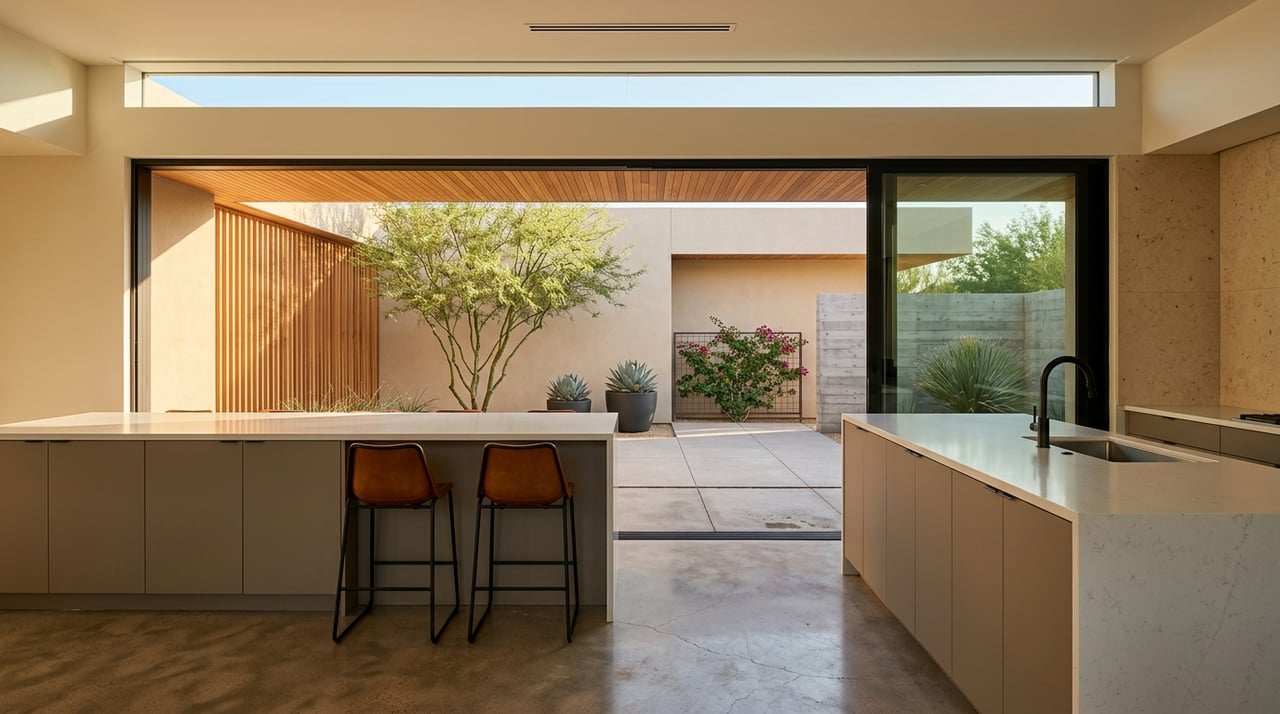
If you are thinking about remodeling in Arcadia, it is easy to get pulled toward bigger, flashier upgrades. But in a neighborhood where lot character, exterior compatibility, and overall presentation carry real weight, the smartest remodel is not always the most expensive one. If you want to improve your home now and protect resale later, a clear plan can help you spend where buyers are most likely to notice and value it. Let’s dive in.
Why Arcadia remodels need a resale lens
Arcadia has a distinct physical identity, and that matters when you renovate. According to Phoenix’s historic survey, the area commonly known as Arcadia developed as an estate-style citrus community with large lots, and early plats required homes to conform and harmonize with neighboring buildings. You can still see that influence today in how buyers respond to scale, setting, and exterior character in this part of the market.
That does not mean every home needs to look the same. It does mean buyers often notice whether a remodel feels like it belongs on the lot and within the surrounding streetscape. In Arcadia, a project that improves function while keeping the home visually balanced can support resale better than a dramatic addition that overwhelms the site.
If your property is in Phoenix, parts of the area may also fall within the Arcadia Camelback Special Planning District, Camelback Road Overlay District, or a historic preservation overlay. If your property is on the Scottsdale side, the Southern Scottsdale Character Area Plan can shape what feels appropriate in the Monterey/Arcadia Character Area. That is one reason a resale-minded plan should start with context, not just inspiration photos.
Focus on function before square footage
One of the biggest remodel mistakes in Arcadia is assuming that more square footage automatically means more value. Sometimes it does. But for resale, the stronger move is often solving a real usability issue, like improving kitchen flow, creating a more practical primary suite, or strengthening the connection between indoor and outdoor living.
The 2025 NAR Remodeling Impact Report backs that up. It found resale cost recovery of about 60% for a complete kitchen renovation, 60% for a minor kitchen upgrade, 56% for a bathroom addition, and 54% for a new primary suite. That suggests a thoughtful, targeted update can perform just as well as a much bigger spend.
The same report also found that 46% of buyers are less willing to compromise on home condition than they were before. For you, that means clean execution matters. Buyers tend to reward homes that feel finished, coherent, and move-in ready more than homes with expensive but highly personal upgrades.
The remodels that often make sense in Arcadia
Kitchen updates that improve flow
Kitchens remain one of the most important places to invest because buyers use them hard and notice them quickly. In resale terms, the goal is usually not to create the most elaborate kitchen possible. The goal is to make the kitchen feel functional, current, and visually connected to the rest of the home.
A minor or full kitchen renovation both came in around 60% cost recovery in NAR’s 2025 report. That makes kitchens a strong candidate when your current layout interrupts daily life, the finishes feel dated, or the space does not photograph well. In many Arcadia homes, better circulation, consistent finishes, and stronger sightlines matter more than adding every luxury feature available.
Primary suite improvements with restraint
Primary suite projects can improve daily comfort and buyer appeal, but they work best when they fix a real gap. If your home lacks a practical primary bath, usable closet space, or a comfortable bedroom layout, a well-planned upgrade may help resale. If you are simply enlarging an already adequate suite at the expense of yard space or balance, the return may be less compelling.
NAR puts a new primary suite at about 54% cost recovery. That does not make it a bad project. It simply means you should be selective and avoid overbuilding for the area or the lot.
Bathroom additions that solve a problem
Bathroom additions can be valuable when they improve how the home actually lives. If bedrooms are underserved by baths, or the current layout creates daily friction, this kind of change can make the property more appealing to future buyers.
NAR estimates a bathroom addition at about 56% cost recovery. In Arcadia, this type of project tends to make the most sense when it improves function without forcing an awkward expansion that disrupts the home’s scale or outdoor setting.
Exterior updates with strong resale efficiency
If you want a lighter-touch remodel, some of the best resale numbers come from the exterior envelope rather than a major addition. NAR’s cost-recovery rankings show a new steel front door at 100%, a new fiberglass front door at 80%, new vinyl windows at 74%, and new wood windows at 71%. Those are useful benchmarks if your home needs a refresh but not a full transformation.
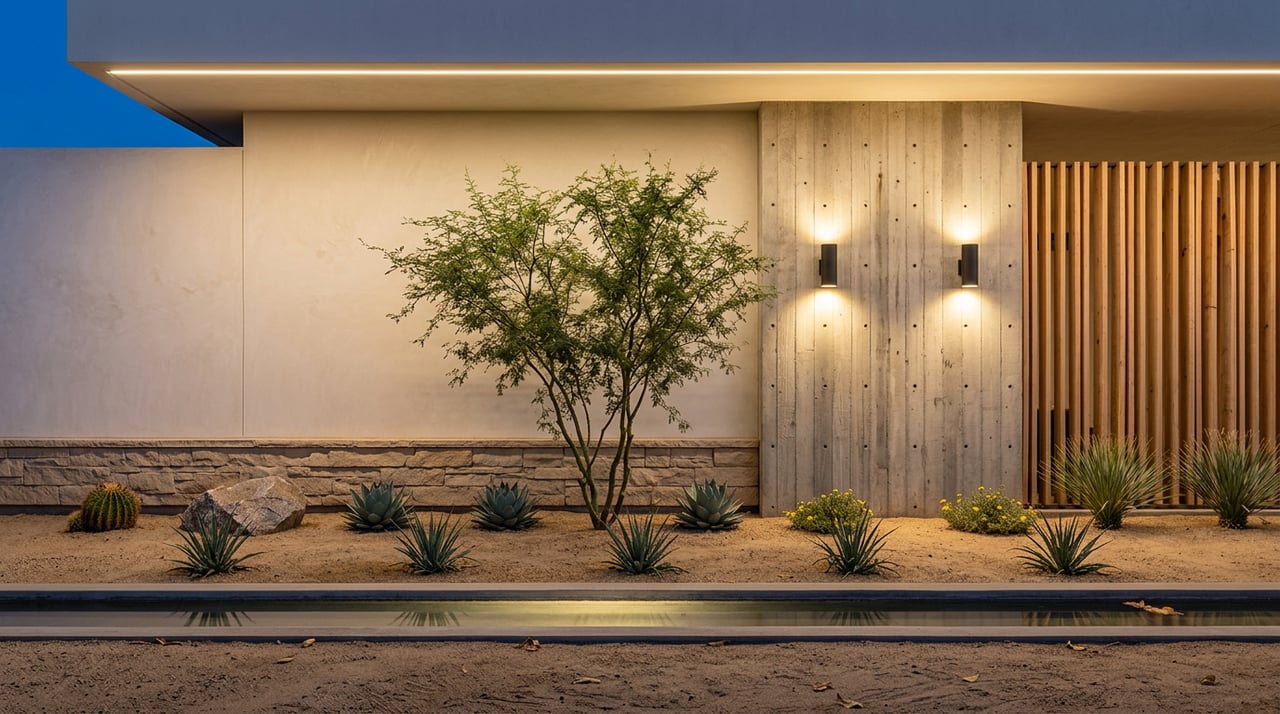
In Arcadia, these updates can do more than improve efficiency or maintenance. They can sharpen the first impression, support listing photos, and make the home feel better cared for before a buyer even steps inside.
Outdoor living matters more here
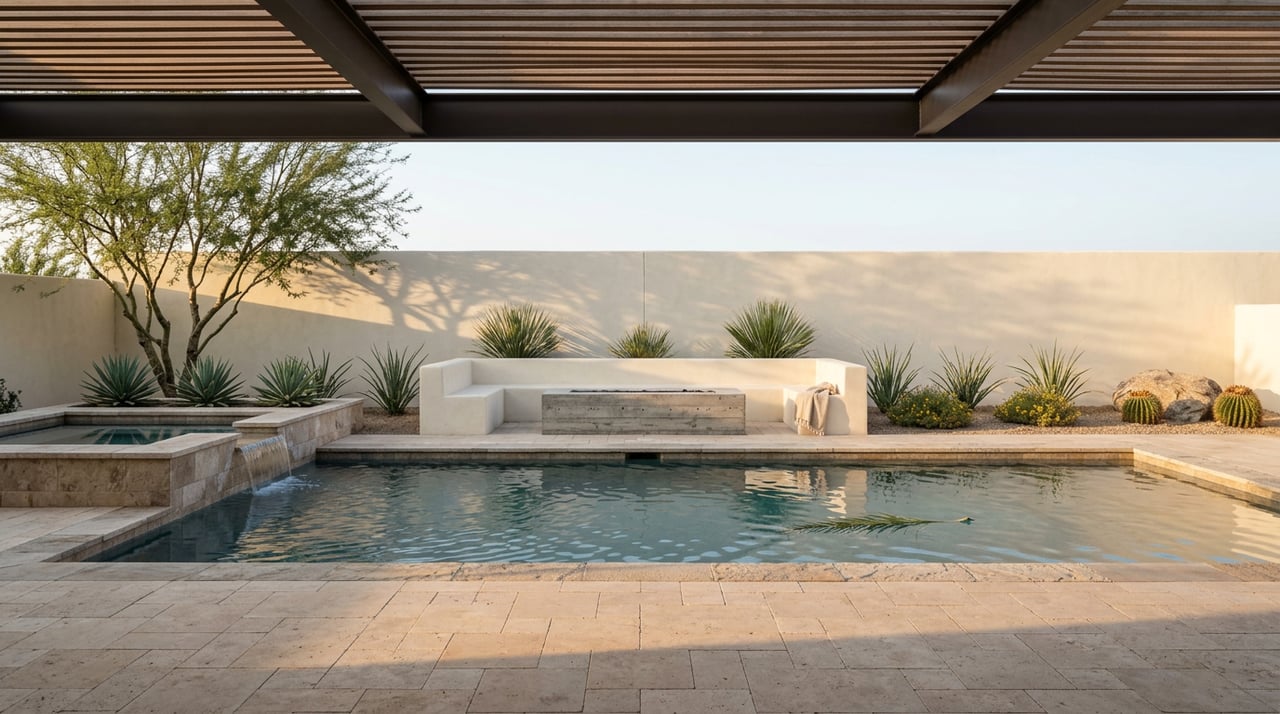
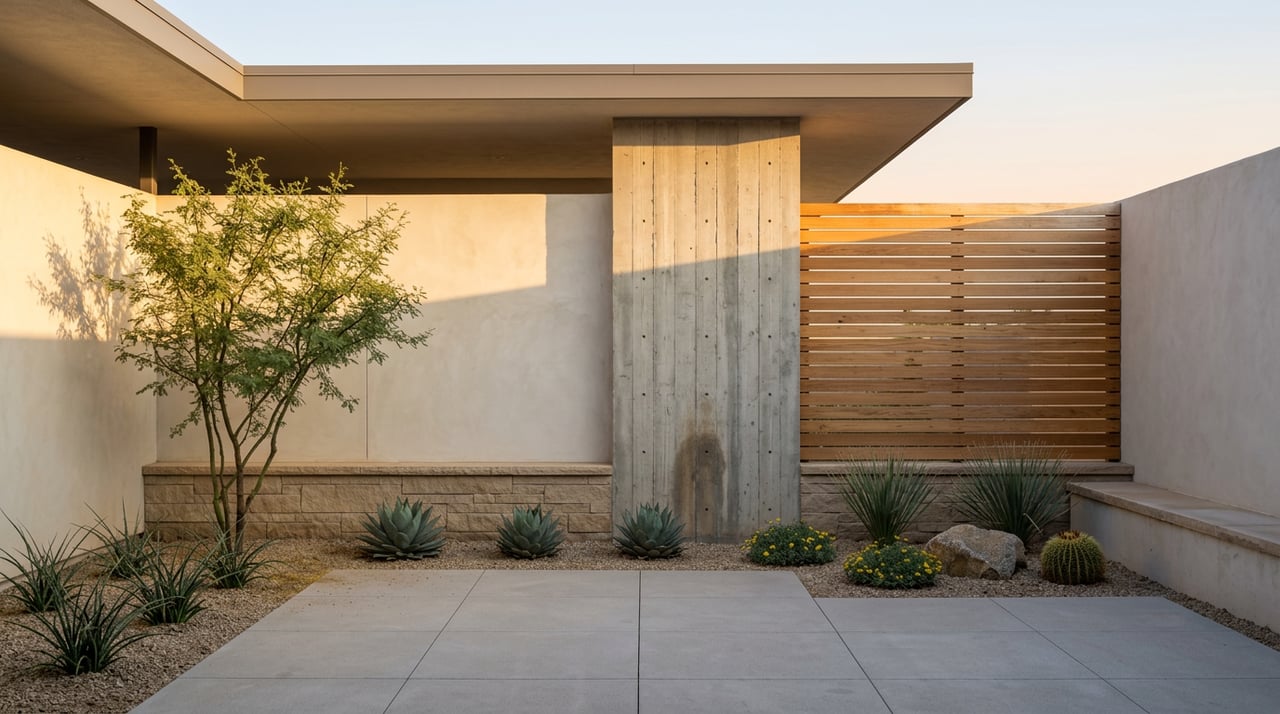
Arcadia’s history as an estate-lot community helps explain why outdoor presentation carries so much weight. Buyers often judge the home, yard, and front approach as one complete package. That is why curb appeal and usable outdoor space can play an outsized role in resale here.
The NAR outdoor projects report found that 92% of REALTORS® recommend improving curb appeal before listing and 97% say curb appeal is important in attracting a buyer. It also reported estimated cost recovery of 217% for standard lawn care, 104% for landscape maintenance, 100% for an outdoor kitchen, 100% for an overall landscape upgrade, and 95% for a new patio.
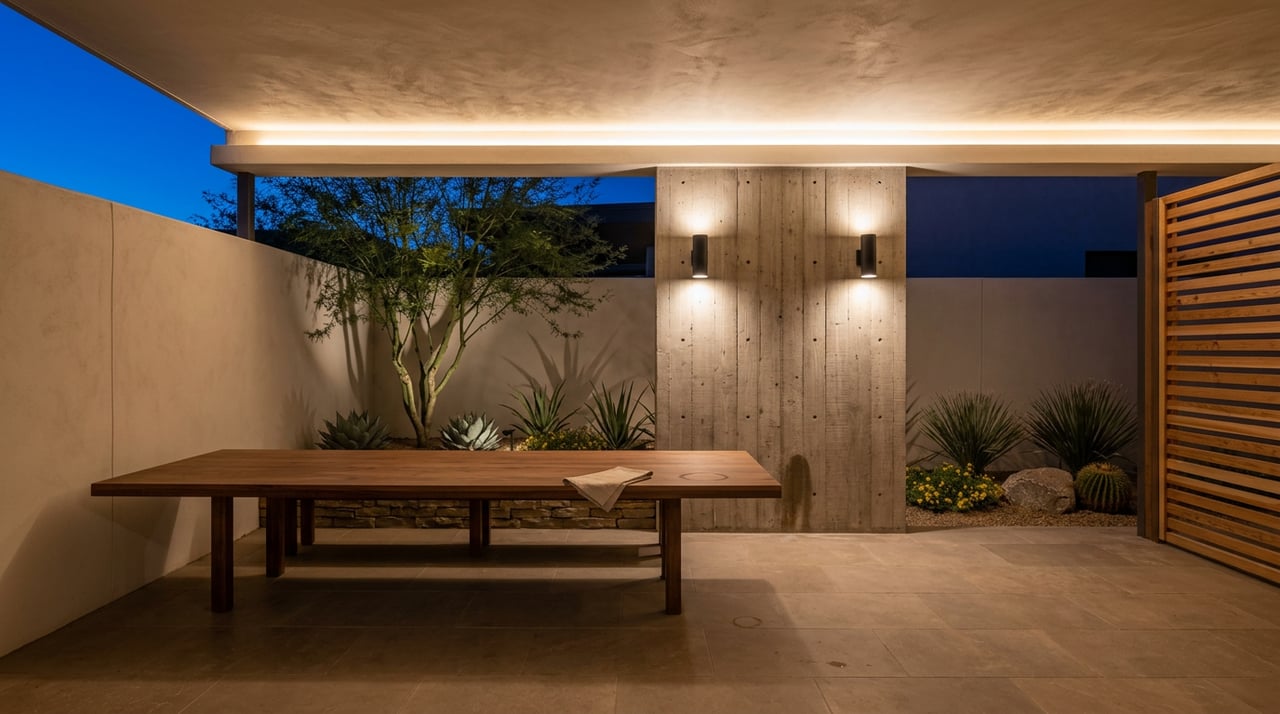
That does not mean every Arcadia seller should install an outdoor kitchen. It does suggest that exterior cleanup, shaded seating, hardscape refreshes, and a better indoor-to-backyard transition can be high-impact improvements. In many cases, these projects support both daily enjoyment and resale without pushing the home out of scale with the lot.
Design for photos and showings
A remodel should work in person, but it also needs to work online. Buyers usually meet your home through listing photos first, and that first impression can shape the entire showing experience.
NAR’s 2025 findings show that buyers care most about the living room, followed by the primary bedroom and kitchen. Its staging research also found that 29% of agents said staging produced a 1% to 10% increase in dollar value offered. That means remodel decisions should not be made room by room in isolation.
Think about how finishes, lighting, and sightlines connect across the spaces buyers focus on first. A home that feels visually consistent often looks more polished in photos and more valuable in person, even if the renovation budget was selective.
Check city rules before finalizing plans
Before you get too far into design, confirm which city your property is in and what rules apply. That is especially important in Arcadia, where Phoenix and Scottsdale properties can sit close together but follow different planning paths.
In Phoenix, construction permits are required for many remodels and additions, including garage or carport construction or conversion, porch enclosures, demolition, patio covers, and fences or walls. Phoenix also routes residential projects through SHAPE PHX, which makes it smart to verify the permit path early.
Phoenix notes that zoning districts have lot-coverage guidelines and directs owners to confirm zoning and lot size before planning additions. Its ADU guidance also states that, in some cases, up to two ADUs may be allowed, with size limits based on the main home and lot size. If you are considering a casita or guest house, those technical details can shape what is realistic long before finishes are discussed.
On the Scottsdale side, the city has its own ADU ordinance and planning portal, and a detached ADU in the rear yard may be as close as five feet to a side or rear lot line in some cases. Even when something is technically allowed, neighborhood character guidance can still influence what feels most appropriate for resale.
If your Phoenix property is historic, the city’s historic preservation design guidelines say additions should generally go to the rear, remain subordinate to the main building, and use compatible materials, roof forms, proportions, and openings. They also strongly discourage major changes to primary facades. For resale, that is useful guidance even beyond compliance because front-facing overreaches can be harder for buyers to embrace.
A practical Arcadia remodel checklist
Before you commit to plans, ask yourself these questions:
- Is your property in Phoenix or Scottsdale?
- Is it in a historic overlay, special planning district, or character area?
- Will the remodel preserve yard space and keep the home in scale with nearby properties?
- Does the project solve a daily function problem or mainly add expensive square footage?
- Will the kitchen, primary suite, living room, and outdoor spaces show well in photos?
- Are you improving curb appeal and the front approach as part of the plan?
- Have you checked permit, lot-coverage, and zoning constraints before final design?
If you can answer those questions clearly, you are far more likely to end up with a remodel that feels right now and holds up later.
Build value with a neighborhood-specific plan
In Arcadia, resale value is rarely about one flashy feature. It is usually the result of a home that lives well, looks cohesive, respects the lot, and presents beautifully from the street to the backyard. That is why the best remodel strategy often combines practical interior updates, strong curb appeal, and a design approach that fits the property instead of competing with it.
If you are weighing which updates are worth making before you renovate or before you sell, Phoenix Living: Joelle Addante + David Thayer can help you think through the likely buyer reaction, presentation strategy, and neighborhood context so you can make decisions with resale in mind.
FAQs
What remodels usually help resale most in Arcadia?
- In Arcadia, resale-friendly remodels often include kitchen improvements, practical bathroom updates, exterior-envelope upgrades, curb appeal work, and outdoor living enhancements that improve function without overwhelming the lot.
Should you add square footage before selling an Arcadia home?
- Adding square footage can help in some cases, but it often makes more sense to fix layout or function issues first, especially if a large addition would reduce yard space or make the house feel out of scale.
Why does curb appeal matter so much for Arcadia resale value?
- Arcadia buyers often respond to the full property package, including the front approach, landscape condition, and outdoor setting, so curb appeal can strongly influence first impressions and showing interest.
Do Arcadia remodel rules differ between Phoenix and Scottsdale?
- Yes. Arcadia spans areas tied to both Phoenix and Scottsdale planning frameworks, so permit paths, ADU rules, overlays, and design context can differ depending on the property location.
What should you check before planning an Arcadia addition?
- Before planning an addition, you should confirm the city, zoning, lot size, lot-coverage limits, permit requirements, and whether the property is affected by a historic overlay or special planning district.
How can you remodel an Arcadia home with listing photos in mind?
- Focus on the spaces buyers notice most first, including the living room, primary bedroom, kitchen, and visible outdoor areas, while keeping finishes and sightlines consistent throughout the home.