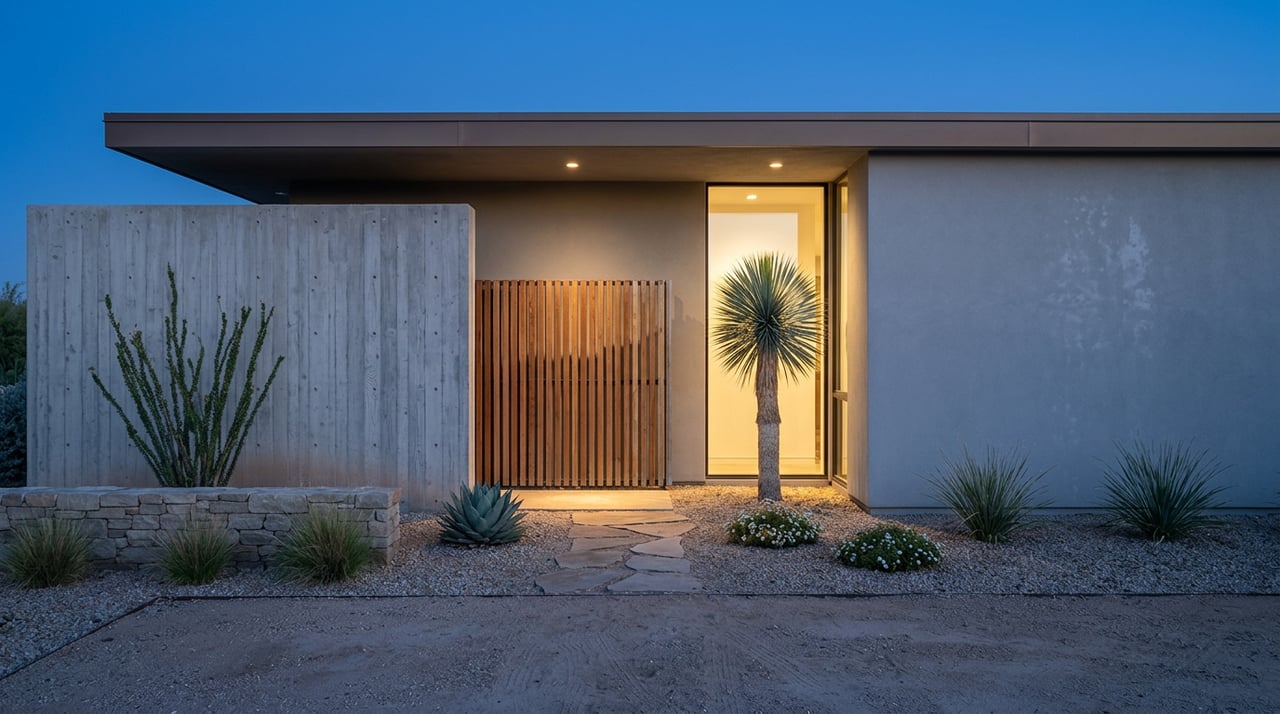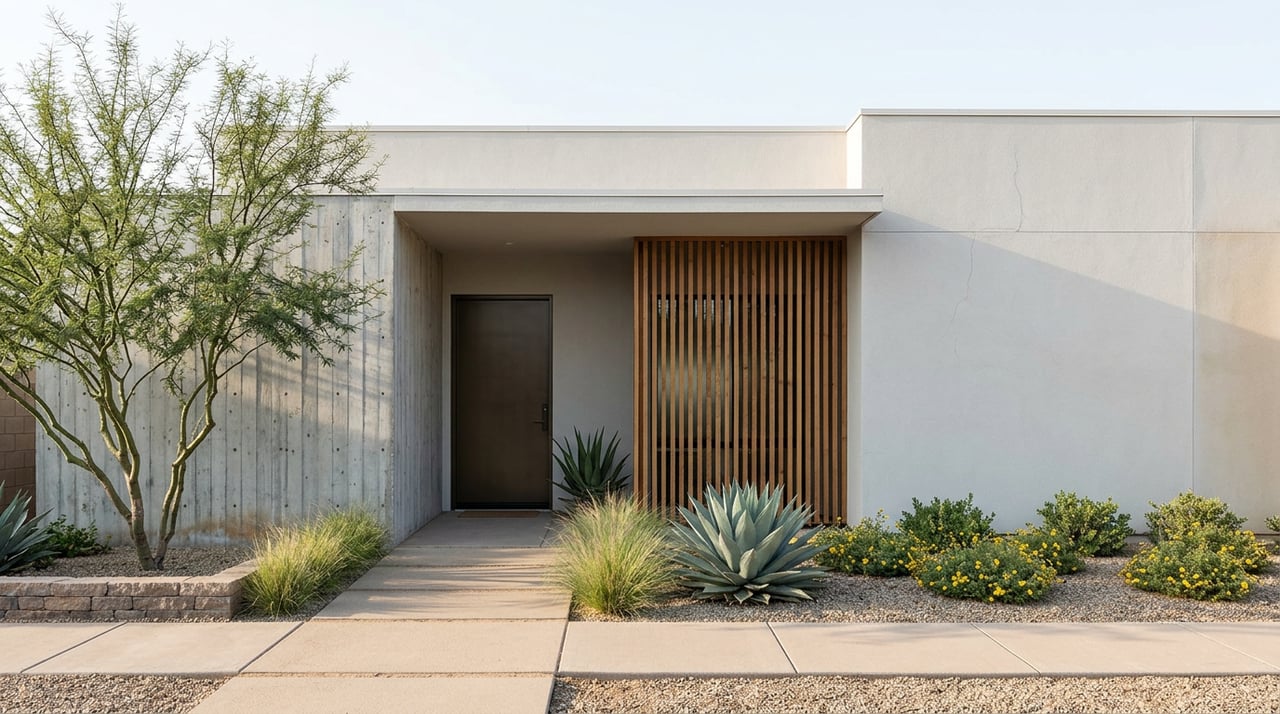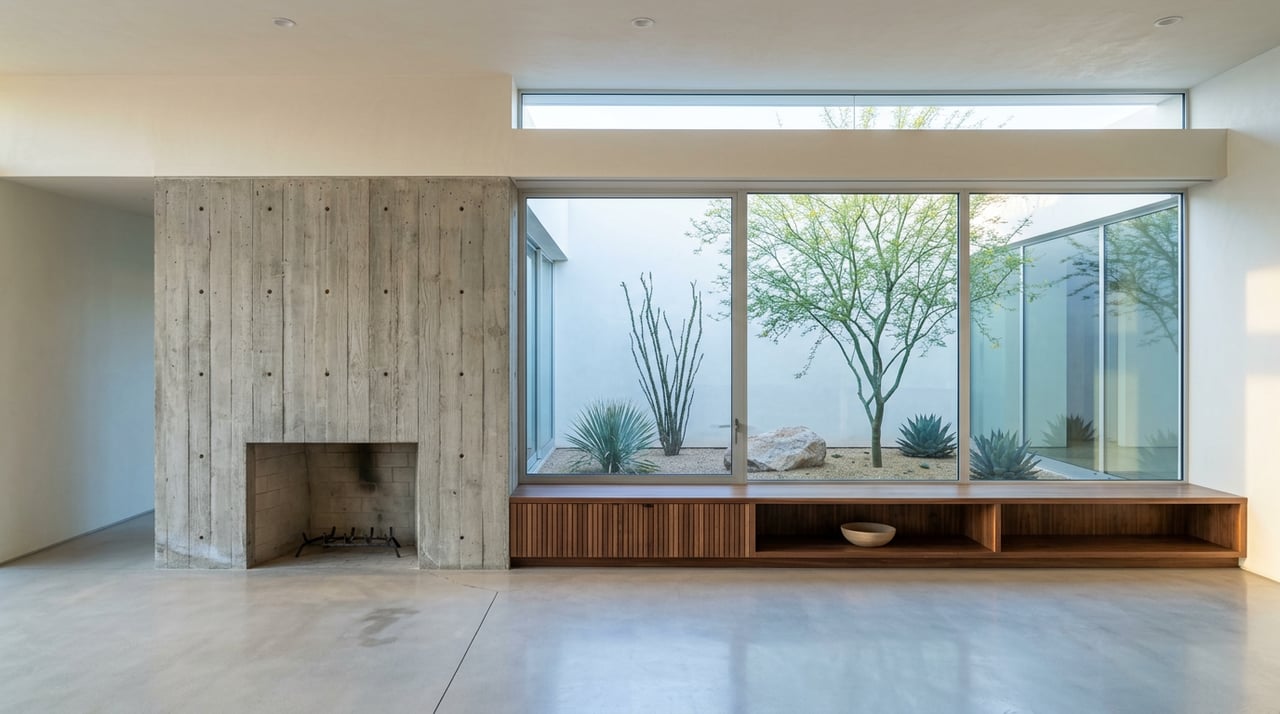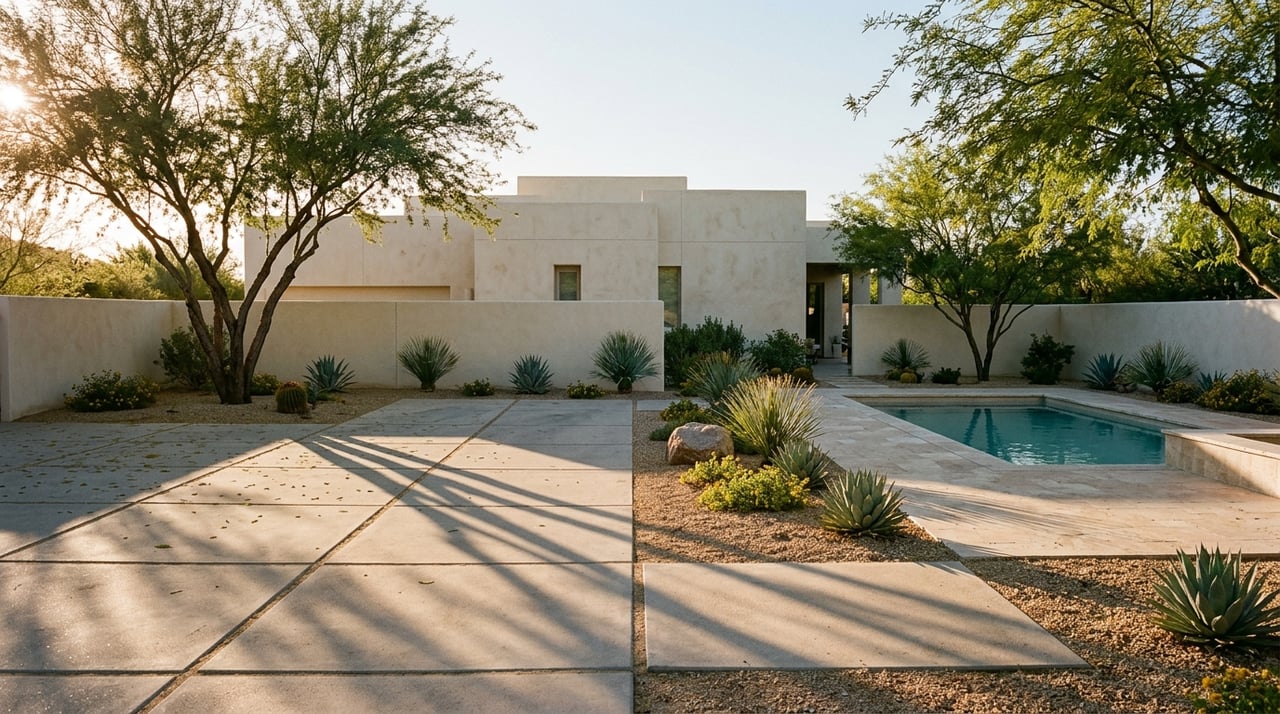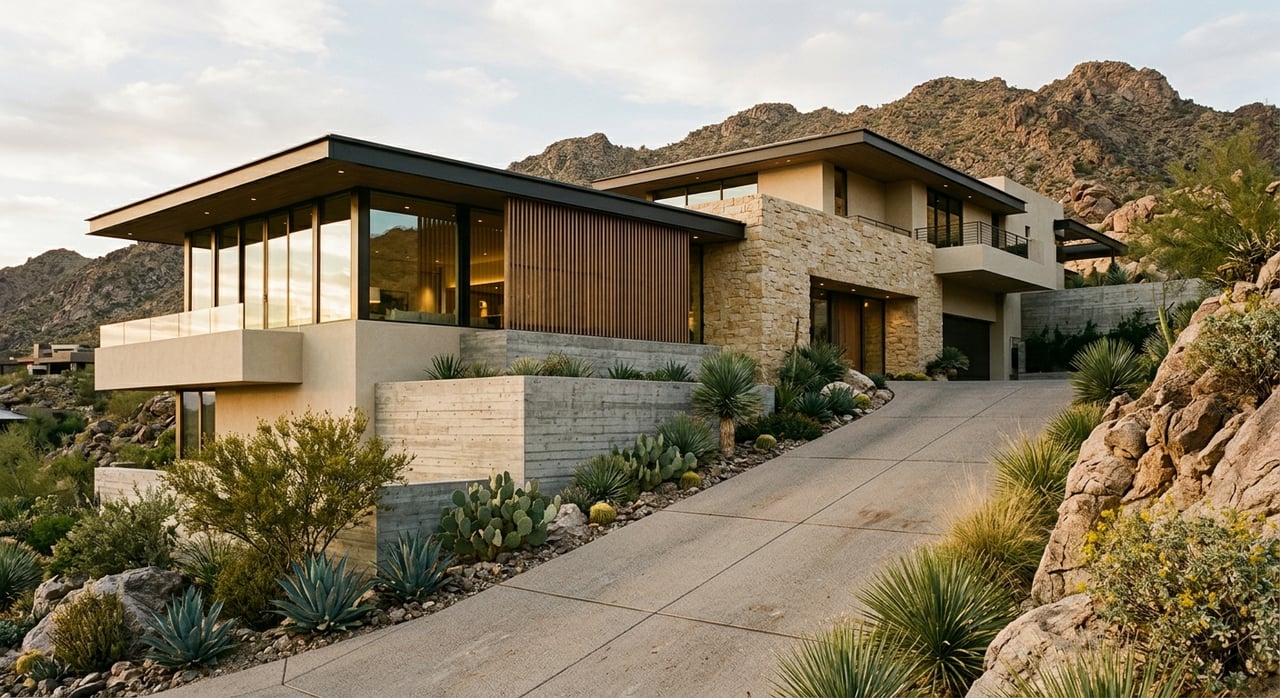
Wondering why two homes in Paradise Valley can share the same town name but feel completely different day to day? That is one of the defining features of this market. If you are trying to understand how Paradise Valley neighborhoods work, this guide will help you make sense of the town’s layout, the types of pockets buyers talk about, and the signature views that shape value and lifestyle. Let’s dive in.
How Paradise Valley Is Really Organized
Paradise Valley is not a typical town of tightly packed subdivisions and neatly labeled districts. According to the Town, it covers 15.4 square miles and is predominantly zoned for single-family housing, with most areas built around a minimum of one acre per residence. The town is also shaped by major natural landmarks, including Camelback Mountain, Mummy Mountain, and the Phoenix Mountain Preserve.
That physical setting matters because Paradise Valley is often experienced as a series of enclaves rather than a simple neighborhood map. In practical terms, your experience can change based on elevation, lot shape, mountain orientation, and how close you are to a main corridor or a quiet interior street. In Paradise Valley, the address often matters just as much as the town name itself.
The Landscape Shapes Daily Life
The Town’s planning documents draw a clear distinction between hillside and flatland areas. They also emphasize preserving scenic views, mountain ridgelines, dark skies, and low-density character. That gives Paradise Valley a more protected and design-conscious feel than many nearby luxury markets.
Street patterns reinforce that character. The Town reports about 144.5 miles of paved streets and classifies them as major arterials, minor arterials, collectors, and local streets. Lincoln Drive and Tatum Boulevard are identified as primary corridors that reflect the Town’s character, while local streets are meant to limit through traffic and mainly serve nearby homes.
For you as a buyer or seller, this means location affects more than commute time. It can influence privacy, traffic feel, mountain exposure, and even how a property sits within the surrounding desert setting.
Three Paradise Valley Neighborhood Types
Hillside And Foothill Areas
If you picture Paradise Valley as a mountain-framed luxury town, you are probably thinking of its hillside and foothill pockets. These areas are closely tied to Camelback Mountain, Mummy Mountain, and the preserve edges within the town. They are the parts of Paradise Valley most associated with elevation, preserved desert terrain, and broad views.
The Town’s Hillside Building Committee reviews new construction in these areas for grading, drainage, height, lighting, and materials. That review process helps protect the hillside environment and scenic character. While the Town does not officially label these areas as premium view districts, its planning language consistently supports the importance of ridgelines and public-facing scenic preservation.
From a lifestyle standpoint, hillside locations often feel more dramatic and site-specific. Homes in these pockets may be designed to respond to slope, orientation, and view lines, which can create a custom feel that is different from flatter estate streets.
Resort And Golf Corridors
Another major way people experience Paradise Valley is through its resort and golf-oriented corridors. The Town’s official visitor information lists well-known properties along and around Lincoln Drive, Scottsdale Road, and McDonald Drive, including Camelback Inn, Mountain Shadows, Omni Scottsdale Resort & Spa at Montelucia, Sanctuary Camelback Mountain, Andaz, Hermosa Inn, and Kimpton Miralina Resort & Villas.
These areas tend to feel a bit more active than purely residential streets. That is because they combine neighborhood traffic with resort guests, dining destinations, spa activity, and golf-related uses. The Town’s land-use plan notes that special-use-permit properties include resort and country club uses, covering 624.8 acres, or 6.34% of the planning area.
If you want quick access to resort amenities and a more connected feel near signature destinations, these corridors are often the places to focus on first. If you prefer a slower and more tucked-away setting, an interior street may be a better fit.
Interior Estate Streets
The third major category is the quieter network of interior estate streets. This pattern reflects Paradise Valley’s long-standing identity as a low-density residential community. Town history notes that one of the original goals was to keep zoning to a one-house-per-acre minimum and preserve a quiet, country-like setting.
That goal still shows up in the street network today. Local streets are intended to limit through traffic, which is one reason many interior pockets feel calmer and more private than homes located along major roads such as Lincoln or Tatum. For many buyers, this is the version of Paradise Valley that feels the most residential on a daily basis.
What Signature Views Mean Here
Mountain Views Are The Main Story
In Paradise Valley, signature views usually start with the mountains. The Town explicitly says it seeks to protect views of Camelback Mountain, Mummy Mountain, and the Phoenix Mountain Preserve from public places and visually significant corridors. That tells you these mountains are not just a backdrop. They are a central part of the town’s identity.
Depending on where a home sits, your view may feel very different. Some properties frame a close-up mountain face, while others offer wider valley outlooks or layered desert scenes. In hillside settings, elevation can increase that sense of drama, while flatter areas may offer broader, more open sight lines across larger estate lots.
Dark Skies And Desert Character Matter Too
Paradise Valley’s scenic appeal is not just about daytime mountain views. The Town also highlights dark and night skies, washes, open space, and preserved ridgelines as part of its character. That means the overall visual experience includes more than what you see from a backyard patio. It also includes how the surrounding area feels after sunset and how development fits into the desert landscape.
For buyers, this is important because the setting is part of the lifestyle. For sellers, it is a reminder that orientation, outdoor living areas, and a home’s relationship to its lot can all shape how a property is perceived.
Lot Sizes And Neighborhood Feel
A simple way to think about Paradise Valley is that one-acre living is the norm, but not the only pattern. The Town’s general plan says it requires a minimum of one acre per residence in most areas. At the same time, the zoning code includes districts such as R-175, R-43, and R-35, along with some cluster-plan flexibility on larger tracts.
That variation explains why Paradise Valley can feel consistent in character while still offering meaningful differences from one pocket to the next. Some areas have especially large parcels and a wide-open estate feel. Others may have somewhat smaller lots, depending on zoning and subdivision history, while still fitting the town’s overall low-density identity.
For you, lot size affects more than square footage. It can shape setback depth, landscaping, privacy, driveway approach, and the way a home captures light and views.
Architecture Responds To Place
Architecture in Paradise Valley is guided by more than buyer taste. The Town’s planning documents call for quality site, architectural, and landscape design that responds to local context, native desert landscapes, visually significant corridors, and the town’s low-density residential character.
In hillside areas, that response can be especially noticeable. Because those applications are reviewed for height, lighting, materials, grading, and drainage, homes often feel closely tied to the land itself. In flatter interior settings, the visual pattern may lean more toward traditional estate properties with larger yards, established landscaping, and a broader sense of horizontal space.
For buyers comparing homes, this helps explain why Paradise Valley architecture can feel both cohesive and varied. The common thread is not one style. It is the way design responds to land, views, and the desert setting.
Local Names You May Hear
As you search, you will likely come across names such as Casa Blanca Estates, Camelback Country Estates, Mountain View Estates, Judson Estates, Finisterre, Mirador, Via Vista, Paradise Estates, Hidden Paradise, Cheney Estates, Mountain Shadows East and West, Montelucia, and The Preserve at Lincoln.
These names are useful, but it is important to understand what they mean. Based on the Town’s HOA map, they are homeowner association or subdivision names, not official municipal districts. In other words, they work best as local shorthand rather than hard neighborhood boundaries.
That is often how Paradise Valley is discussed in real life. People use a mix of mountain reference points, corridor names, subdivision names, and street orientation to describe where a property sits.
How To Choose The Right Pocket
If You Want The Strongest View Experience
Start with hillside and foothill locations. These areas are most closely tied to elevation, preserved desert land, and the mountain-framed experience many buyers picture when they think of Paradise Valley.
If You Want Resort Access
Focus on areas near resort and golf corridors, especially around Lincoln Drive, Scottsdale Road, and nearby connecting routes. These pockets offer closer access to dining, spa, golf, and other destination amenities within the town.
If You Want More Quiet Day To Day
Look toward interior estate streets where the local road system is designed to limit through traffic. These areas often provide the calmest daily rhythm and the most tucked-away residential feel.
Why This Matters In A Home Search
In Paradise Valley, broad town-level descriptions only get you so far. Two homes can both be luxury properties on large lots, yet offer very different experiences based on whether they sit near a resort corridor, on a quiet interior street, or against a hillside backdrop.
That is why neighborhood guidance here needs to go beyond price point and bedroom count. You want to evaluate how a home lives on its lot, what kind of view it captures, how the street feels throughout the day, and how close it is to the parts of Paradise Valley you will use most.
If you are buying or selling in Paradise Valley, working with a team that understands these micro-locations can make the process much clearer. Phoenix Living: Joelle Addante + David Thayer brings a neighborhood-focused approach to luxury real estate, with the local insight and high-touch guidance that help you make sense of a market where the details of the address matter.
FAQs
What makes Paradise Valley neighborhoods different from typical subdivisions?
- Paradise Valley is organized more by mountains, lot size, street type, and resort corridors than by a simple subdivision grid, with most areas built around low-density single-family homes.
What are the main neighborhood types in Paradise Valley?
- Buyers usually think in terms of hillside and foothill areas, resort and golf corridors, and quieter interior estate streets.
What are the signature views in Paradise Valley?
- The most recognized views center on Camelback Mountain, Mummy Mountain, and the Phoenix Mountain Preserve, along with ridgelines, desert open space, and dark-sky character.
Are Paradise Valley homes usually on one-acre lots?
- In most areas, yes. The Town’s general plan says a minimum of one acre per residence is required in most parts of Paradise Valley, though zoning includes some larger and smaller exceptions.
Are names like Finisterre or Mountain Shadows official Paradise Valley neighborhoods?
- No. Those are generally HOA or subdivision names used as local shorthand, not official Town-defined neighborhood districts.
Which part of Paradise Valley is best for quiet residential living?
- Interior estate streets are usually the best fit if you want a quieter daily setting, since local streets are intended to limit through traffic and primarily serve nearby homes.