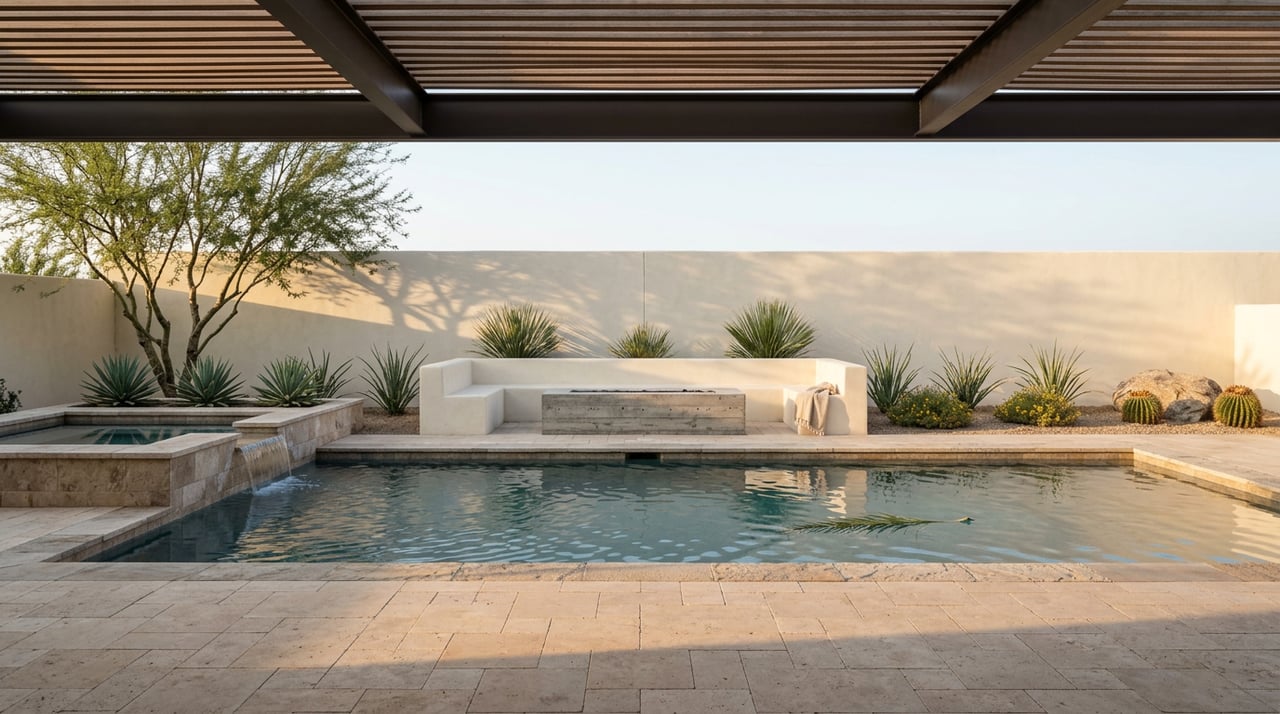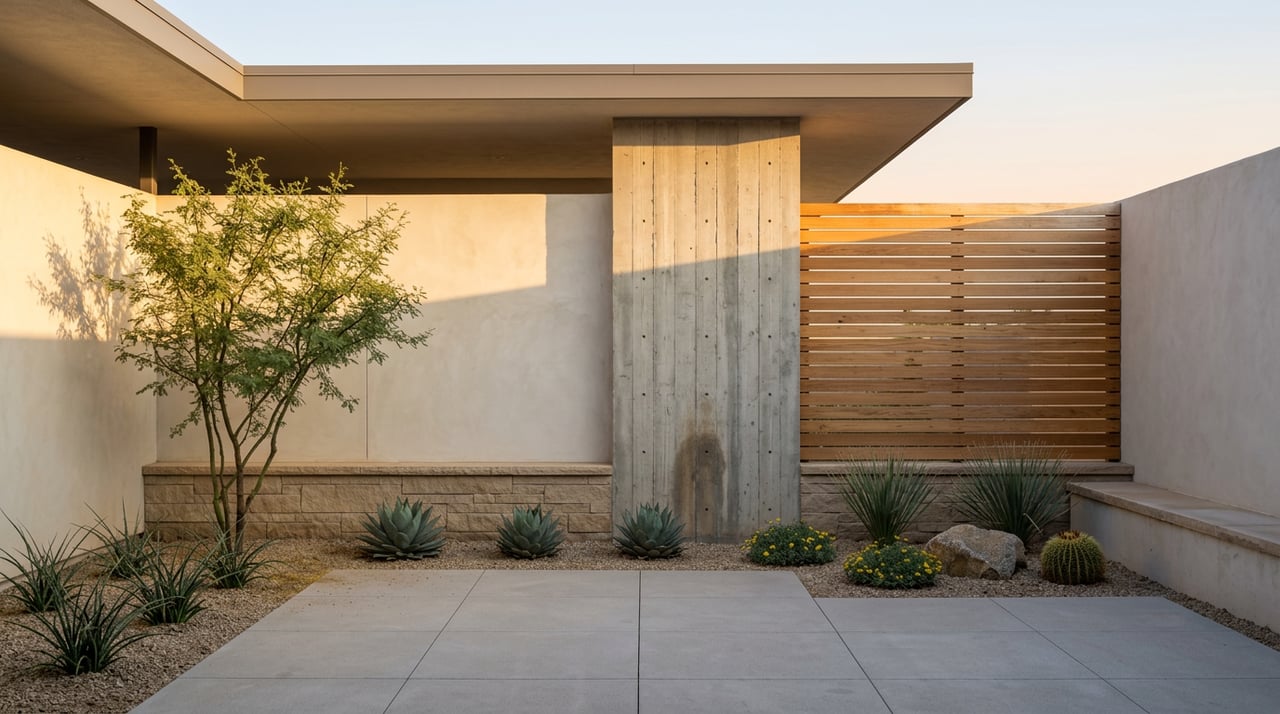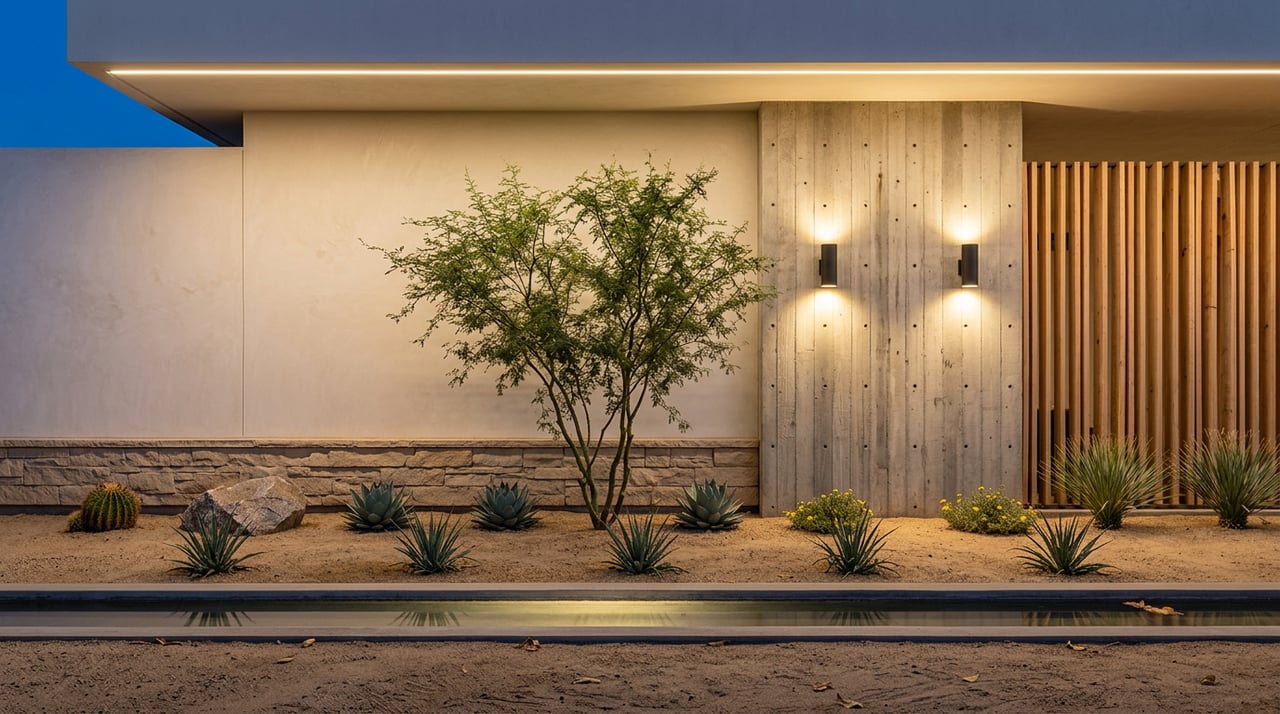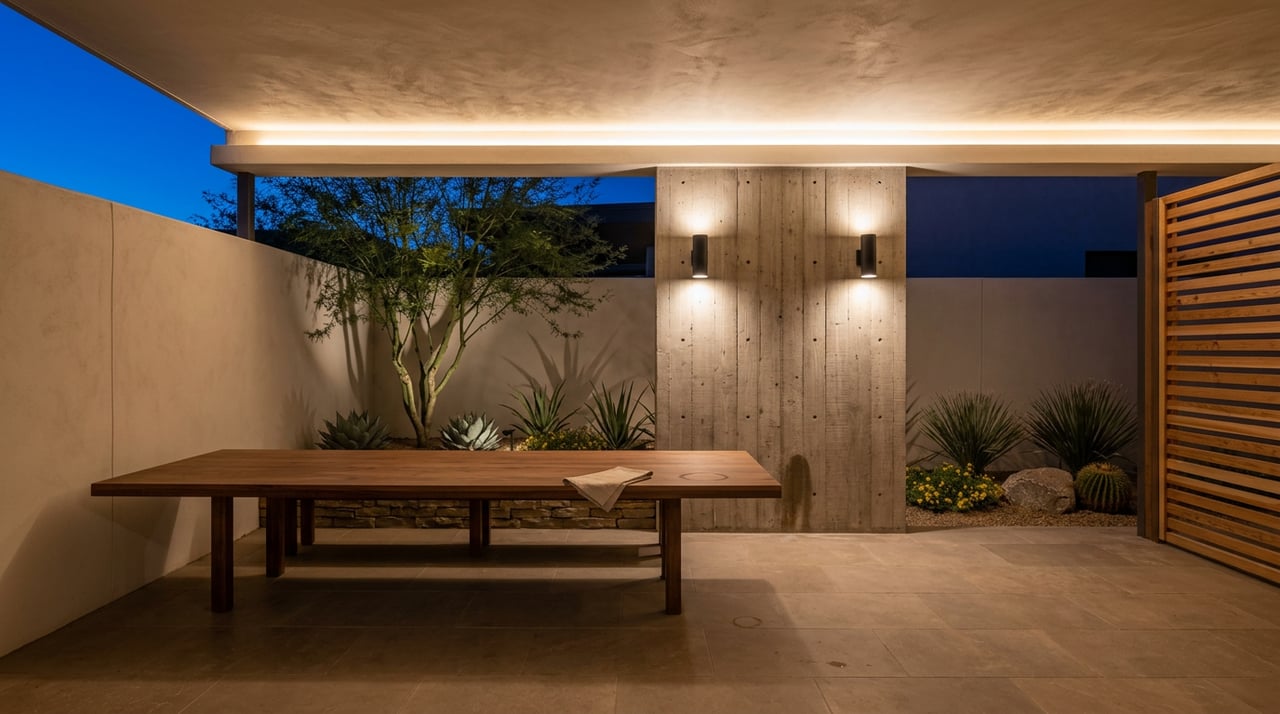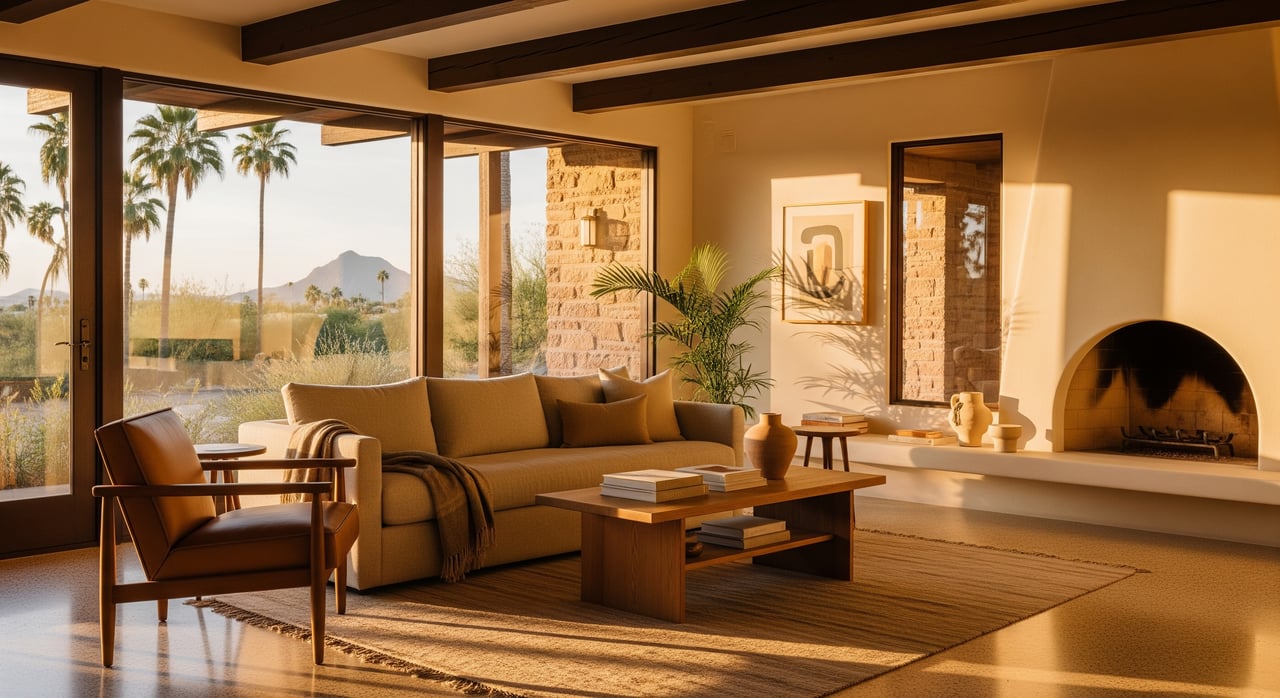
Are you getting your Arizona Biltmore Estates home ready to sell? In this resort-adjacent luxury pocket, buyers expect a turnkey experience that feels curated, modern and true to the desert lifestyle. With the right staging, you can showcase architecture, views and indoor-outdoor living while minimizing time on market. This guide breaks down what matters most in Biltmore, room by room and step by step, so you can list with confidence. Let’s dive in.
What Biltmore buyers expect
Luxury buyers in the Biltmore area look for quality, cohesion and ease. They want high-end finishes, privacy, strong indoor-outdoor flow and a design story that respects the home’s architecture. Many are second-home or seasonal buyers who prefer a move-in-ready feel. Show a lifestyle that feels effortless, from shaded patios to a polished primary suite.
Key features to highlight:
- Resort proximity and golf course access
- Mountain and fairway views
- Private pool and outdoor living zones
- Thoughtful upgrades, energy-conscious touches and low-maintenance landscaping
Honor the architecture
Many homes here draw on desert-modern and Wright-influenced details, textile block accents, stone or terra-cotta floors and large picture windows.
- Spotlight original features. Let built-in cabinetry, beams, fireplaces and window walls be the stars. Avoid blocking sightlines with oversized furnishings.
- Frame the views. Float furniture to face a fireplace, framed arch, Camelback vistas or fairway outlooks.
- Scale up. Larger rugs and substantial seating anchor big rooms and help communicate value.
- Keep it cohesive. Choose warm neutrals with refined accents like terra cotta, muted turquoise, deep teal or aged metal tones.
Stage for the desert climate
Arizona heat shapes how buyers live and how your home should read in photos and showings.
- Choose breathable materials. Linen and light cottons feel cool and fresh. Avoid heavy, wintery fabrics.
- Show climate-conscious comfort. Highlight central HVAC, quality window treatments and insulation as lifestyle features.
- Make shade a feature. Stage under covered patios and add an umbrella or pergola element so outdoor spaces look usable at midday.
Maximize indoor-outdoor flow
Buyers want spaces that connect seamlessly to patios, pools and views.
- Open the pathways. Clear visual clutter so sightlines run from living areas to the outdoors.
- Repeat materials and colors. Use similar tones and textures inside and out to create continuity.
- Define outdoor zones. Create dining, lounge and sun spaces that mirror interior room functions.
Room-by-room luxury staging
Entry and foyer
- Lead with a focal point, such as a console and an art piece or mirror.
- Keep circulation wide to showcase floors and architectural details.
- Layer soft, warm lighting to create immediate ambiance.
Living and formal rooms
- Arrange seating for conversation and to frame views or a fireplace.
- Layer lighting with floor lamps, sconces and a statement fixture.
- Use a few refined textiles to add texture without visual noise.
Kitchen
- Clear counters except for one or two curated items like fresh citrus or a small vase.
- Polish appliances, fixtures and stone so they photograph flawlessly.
- If there is island seating, set a simple, elegant place for casual entertaining.
Dining room
- Use a rug that fits all chairs when pulled out to show scale.
- Set a restrained table with coordinated pieces.
- Keep the centerpiece low to preserve sightlines in photos.
Primary suite
- Dress the bed with a high-quality cover and layered pillows in warm neutrals.
- Add matching lamps and minimal accessories on nightstands.
- Stage a small reading nook if space allows, and keep closets neat and organized.
Secondary bedrooms and office
- Show flexibility. A guest room, a child’s room or a combined office-guest setup can help different buyers picture their needs.
- For luxury buyers, a dedicated office with a proper desk, quality chair and shelving can be a difference-maker.
Bathrooms
- Remove personal items and add plush towels, a small plant and neatly staged toiletries.
- Ensure grout, caulking and fixtures are spotless.
Outdoor living, pool and landscaping
- Use weather-appropriate, proportional furniture to define lounge and dining zones.
- Add a few luxe touches, such as outdoor pillows, an outdoor rug and rolled pool towels.
- Include shade solutions and highlight water-wise landscaping where appropriate.
Lighting and color temperature
Consistent, warm lighting elevates mood and photography.
- Aim for a 2700–3000K color temperature for a luxury feel.
- Use dimmers where possible, and match bulb temperatures across fixtures.
- For photos and showings, turn on all lights to create an inviting glow.
Art and accessories that sell
- Scale matters. Too-small art lowers perceived value. Pick pieces that suit the wall.
- Stay regionally aware. Abstract landscapes or subtle desert references work well. Avoid overly literal themes.
Use fewer, higher-quality accessories. Think curated coffee table books, sculptural objects and elegant barware.
Timeline, vendors and workflow
Plan ahead so your listing launches cleanly and on schedule.
- 2–6 weeks out: Define budget and scope, hire a luxury stager or designer, complete repairs and deep cleaning.
- 1–2 weeks out: Install furniture and art, fine-tune landscaping and exterior touch-ups.
- 48–72 hours after staging: Schedule professional photography, video, drone and virtual tour. Consider separate twilight exteriors.
- Go live: After final walk-through and photo delivery.
Recommended vendor categories:
- Luxury home stager or full-service staging firm
- High-end furniture and art rental
- Architectural real estate photographer with drone and twilight experience
- Landscape designer familiar with xeriscape and low-water solutions
- Lighting and electrical contractor for dimmers and bulb updates
- Home organizer for occupied properties
When vetting, review portfolios of similar properties, insurance, references, inventory lists and delivery or installation terms.
Costs and ROI, simplified
Luxury staging uses higher-quality, properly scaled pieces, which increases cost compared to standard staging. The goal is to accelerate the sale and preserve price in a market where presentation matters. Decide between full staging or partial staging based on list price, current condition and days-on-market goals. Even if you will occupy the home, stage for photography first. Your online presence drives showings.
Photography and digital presentation
Premium visuals are non-negotiable at higher price points.
- Capture high-resolution interiors, aerials to show lot orientation and views, and twilight or virtual twilight for dusk ambiance.
- Prepare interiors by removing reflections, depersonalizing surfaces and turning on all lighting.
- Use virtual staging only when needed, and disclose any digitally staged images according to MLS rules.
HOA, water and compliance
- Check HOA and local rules before exterior changes, signage, lighting or temporary items on common elements.
- Highlight low-water landscaping and water-wise upgrades. Xeriscape that reads refined and low-maintenance is a plus.
- Staging must never conceal material defects. Complete necessary repairs, and present the home honestly.
- Keep pathways clear for safety and egress. Do not block HVAC returns or panels.
A simple staging checklist
- Define the design story that fits your architecture and views
- Declutter, repair and deep clean before furniture arrives
- Scale up rugs, art and seating in larger rooms
- Keep counters and surfaces minimal
- Create shade and useable outdoor zones
- Warm, consistent lighting across the home
- Schedule pro photography within 2–3 days of staging
- Confirm HOA and local rules for any exterior adjustments
Ready to list with confidence?
If you want a smooth, high-impact launch in Arizona Biltmore Estates, we can help plan, manage and execute a staging strategy that fits your home and timeline. From vendor selection to Compass Concierge options, we guide you through upgrades, logistics and premium marketing that highlight architecture, views and lifestyle. Reach out to Phoenix Living: Joelle Addante + David Thayer to start your pre-list plan.
Phoenix Living: Joelle Addante + David Thayer
FAQs
Is luxury staging necessary in Arizona Biltmore Estates?
- Not always, but professionally staged luxury homes typically photograph and show better, which can reduce days on market and help present the home’s value.
How long does luxury staging take before listing?
- Planning can take 1–3 weeks, and installation often happens in 1–2 days, followed by photography within 48–72 hours.
Should I keep my furniture or rent staging pieces?
- Keep existing pieces if they are high quality, neutral and properly scaled; otherwise rent elevated items that fit the architecture and room size.
Does staging hide flaws or issues?
- No, staging should highlight strengths but must not conceal material defects; complete repairs and maintenance first.
Is virtual staging acceptable for luxury listings?
- Virtual staging can help with vacant rooms, but physical staging and professional photos usually perform better; always disclose virtual images per MLS rules.
What outdoor elements matter most in the desert?
- Shade, comfortable seating zones, low-water landscaping and a resort-style pool setup help buyers see year-round usability.