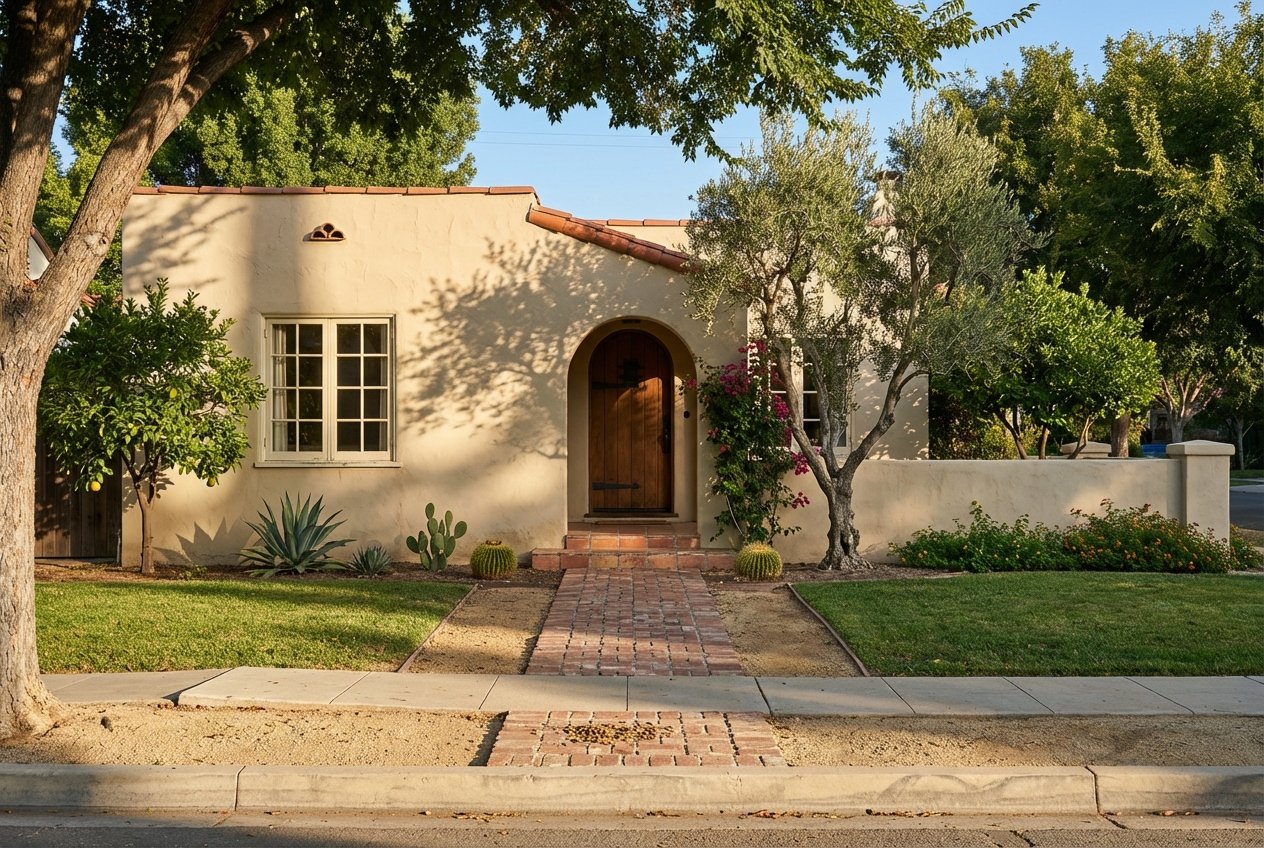
If you love sunlit stucco, red tile roofs and palm-lined lanes, Encanto-Palmcroft will grab your heart fast. You get a quiet historic neighborhood feel with downtown Phoenix just minutes away, plus a park that looks like a resort in your backyard. If you’re drawn to character homes but want clarity on rules, renovations and daily life, you’re in the right place. This guide walks you through Encanto’s architecture, lifestyle, preservation basics and smart next steps. Let’s dive in.
Where Encanto Sits
Encanto-Palmcroft lies inside Phoenix’s Encanto Village, immediately north and northwest of downtown. You’re typically 1 to 3 miles from theaters, museums and dining, which makes commuting and nights out simple. For a quick planning overview, the City’s Encanto Village page highlights the area’s central location and residential character.
The historic core most people mean when they say “Encanto” stretches roughly from 7th Avenue to 15th Avenue, and from McDowell Road up toward Encanto and Thomas. Within those boundaries sit about 300 to 330 contributing historic homes built largely from the late 1920s through the 1940s, right alongside Encanto Park. You can review a concise district profile and boundary summary on LivingPlaces’ Encanto-Palmcroft page.
Architectural Styles You’ll See
Encanto-Palmcroft is a showcase of Period Revival design. You’ll see Spanish Colonial and Mediterranean Revival with white stucco and red clay tile, Pueblo Revival with rounded forms and vigas, Monterey Revival with second-floor porches, and Tudor or Colonial/Regency Revival with storybook massing. Later homes add ranch and some Moderne influences, giving the neighborhood a rich mix of silhouettes and materials.
Typical details include arched entries, decorative tile, and ironwork that add texture and charm. Interiors often keep original plaster walls, hardwood floors and built-ins where they’ve survived. For a style overview and common features, the Encanto-Palmcroft historic district profile offers a useful snapshot.
Streetscape and Lots
This is not a typical Phoenix grid. Encanto-Palmcroft was planned as a garden suburb with curving streets, interior landscaped islands and palms that set a signature look, especially along Palm Lane. The design creates enclosed vistas and a quiet, park-like feel on most blocks.
Alleys provide practical access for garages and service areas, which helps keep street fronts tidy. Lot sizes vary by block, and some properties are among the larger historic lots near downtown. The garden planning and mature tree canopy are as much a part of the neighborhood’s character as the homes themselves.
Home Sizes and Variety
You’ll find everything from cozy one-story period cottages under about 2,000 square feet to larger two-story Revival homes and postwar ranches. That range creates a broad spectrum of price points and configurations. Recent sales and listings reflect that variety across the district, as shown in recent Encanto-Palmcroft market activity.
If you’re set on a certain style, be flexible on layout and lot features. Some homes include detached structures or room for an accessory building, while others prioritize deep front yards and traditional setbacks.
Encanto Park Lifestyle
Encanto Park is a defining amenity and a daily pleasure. At roughly 222 acres, it includes lagoons, walking paths, playgrounds, sports courts, golf and the Enchanted Island amusement area. The palm and deciduous tree canopy plus water features give the area a green, resort-like feel in the heart of the city. You can see the full list of features in the City’s Encanto Park details.
Weekends bring neighbors strolling, picnicking and gathering for park events. The Encanto-Palmcroft neighborhood association also hosts biennial home tours and street fairs that draw visitors from across the Valley. For event updates and neighborhood news, visit the Encanto-Palmcroft Historic Preservation Association.
Preservation Rules Made Simple
Owning in a City-designated historic district comes with a clear, predictable review process for exterior work. The City of Phoenix Historic Preservation Office (HPO) oversees changes that affect historic character. Two common approvals are used: a Certificate of No Effect (CNE) for minor, consistent work, and a Certificate of Appropriateness (COA) for more complex or street-visible changes that may require a hearing.
Routine in-kind maintenance is usually not regulated, and paint color is not regulated by HPO. The HPO publishes process steps and timelines so you can plan your project with confidence. Start with the City’s overview of Historic Preservation Office services and approvals.
When You Need Approval
If a change is visible from the street or could alter defining features, expect to apply for a CNE or COA. Pre-application meetings with HPO staff are encouraged and can save you time by clarifying submittal requirements. For quick answers to common questions, check the City’s historic preservation FAQ.
Incentives and Grants
Phoenix supports sensitive restoration through incentive programs, including exterior rehabilitation grants and demonstration projects. At the state level, Arizona’s SHPO administers the State Historic Property Tax program and can assist with federal rehabilitation tax credits for eligible projects. Each program has rules and application steps, so confirm your eligibility and timeline early using the City’s page on HPO incentives and programs.
Renovation Realities
Most prewar homes will need some modernization. Expect to evaluate electrical panels and branch wiring, older plumbing that may need partial or full repiping, and HVAC systems that could benefit from reliable central air or ductless solutions. Insulation and weatherization upgrades are common, along with kitchen and bath updates that respect the home’s original character. Designers who work in Encanto often focus on keeping key period details while improving comfort and safety, as summarized in this neighborhood-focused renovation overview.
Exterior materials need care too. Stucco repair, clay tile roof maintenance or replacement, repointing decorative masonry, and restoring original wood windows and doors are frequent projects. These often call for specialist trades and traditional materials. The Encanto-Palmcroft profile provides context for materials and maintenance patterns you’ll see across the district.
Energy efficiency is a smart starting point. Utilities offer audit programs that can identify cost-effective improvements, and the City shares best practices for weatherization that preserve historic character. For guidance, review the City’s page on energy efficiency in historic properties.
Smart First Steps
- Schedule a full home inspection with a preservation-aware contractor.
- Map out must-do system work versus “nice to have” finishes.
- Meet with HPO staff early if exterior changes may be visible from the street.
- Gather quotes from trades experienced with stucco, tile roofs, plaster and historic windows.
- Start with an energy audit to pinpoint high-impact improvements.
Solar in a Historic District
Solar is feasible in Encanto, but placement matters. The goal is to minimize visibility from the public way with rear roof planes, accessory buildings or low-profile mounting, and to include clear visuals in your HPO submittal. The National Park Service outlines siting and design principles in its solar guidance for historic properties.
Buying in Encanto
Success starts with clarity. Decide which styles you love and which layouts fit your life. Tour the neighborhood at different times of day, visit Encanto Park, and, when available, attend the neighborhood home tour to experience interiors and craftsmanship up close.
As you evaluate homes, look beyond finishes. System upgrades, stucco and roof condition, and window restoration potential can all affect your timeline and budget. If you plan exterior changes, build a simple schedule that factors in HPO review. Preservation-minded improvements often return value in Encanto by aligning with what the neighborhood is known for: authentic style, mature landscaping and a walkable, park-adjacent lifestyle.
When you are ready to move, lean on local expertise. Our team helps you weigh tradeoffs between original character and modern needs, identify seasoned contractors, and navigate City processes with confidence. If you are considering selling, strategic pre-list improvements and premium presentation can highlight period details buyers love.
Thinking about a historic home near downtown with a leafy, parkside feel? Let’s talk about Encanto-Palmcroft and how to make it yours. Reach out to Phoenix Living: Joelle Addante + David Thayer to start a focused search or a high-impact sale plan.
FAQs
What is Encanto-Palmcroft and where is it located?
- Encanto-Palmcroft is a historic neighborhood inside Phoenix’s Encanto Village, roughly between 7th and 15th Avenues and McDowell up toward Encanto and Thomas, just minutes from downtown.
What architectural styles are common in Encanto-Palmcroft?
- You’ll see Spanish and Mediterranean Revival, Pueblo and Monterey Revival, Tudor, Colonial or Regency Revival, plus later ranch and some Moderne homes.
What approvals are required to renovate a historic Encanto home?
- Minor in-kind work often proceeds without review, while street-visible or character-changing exterior work typically needs a City HPO Certificate of No Effect or Certificate of Appropriateness.
Are there grants or tax incentives for restoring a historic home in Phoenix?
- Yes, the City offers exterior rehabilitation grants, and Arizona SHPO administers the State Historic Property Tax program with guidance on federal credits for eligible projects.
What should buyers budget for with older homes in Encanto?
- Plan for potential electrical, plumbing and HVAC updates, stucco and roof work, and specialist trades for historic materials, plus an energy audit to prioritize improvements.
Is solar allowed on historic homes in Phoenix?
- Solar is feasible, but placement is reviewed to reduce visibility from the street; rear roof planes or accessory structures and clear visual plans improve approval chances.